Introduction
Sponsored posts are paid collaborations where brands compensate you to create content featuring their products or services on your blog or social media channels. You don’t need millions of followers to land these deals—small bloggers with engaged, niche audiences are increasingly valuable to brands seeking authentic connections with specific demographics.
The earning potential through sponsored content can transform your blogging side hustle into a legitimate income stream. Small bloggers regularly earn $200 to $500 per sponsored post, with some commanding $1,000 or more once they’ve established their authority and refined their pitching strategy. I’ve seen bloggers with just 5,000 monthly page views secure consistent sponsorship deals by focusing on engagement quality rather than sheer numbers.
The key to maximizing your sponsored post income lies in platform diversification. While your blog serves as your home base, Instagram sponsored posts offer visual storytelling opportunities that brands love. LinkedIn sponsored posts connect you with B2B companies and professional service providers willing to pay premium rates for access to career-focused audiences. Facebook, Pinterest, and TikTok each present unique sponsorship angles that complement your blog content.
You can build a sustainable income by strategically positioning yourself across these platforms, demonstrating your value through authentic engagement, and approaching sponsorships as genuine partnerships rather than one-off transactions.
To further enhance your blogging experience and increase your earning potential, consider leveraging technology such as AI plugins for WordPress. These tools can automate tasks, boost SEO, and personalize user experiences effortlessly, making it easier for you to secure those high-paying sponsored posts. For more insights on how to effectively use these resources and maximize your blogging potential, visit BloggerHub.
Understanding Sponsored Posts and Monetization Methods
Sponsored posts represent a direct partnership between you and a brand where you create content featuring their product or service in exchange for payment. Unlike passive income streams, these paid collaborations require active content creation that aligns with both your blog’s voice and the sponsor’s marketing goals. You maintain editorial control while incorporating the brand’s message naturally into your content.
Brand partnerships work through several models:
- Writing a dedicated blog post reviewing a product
- Integrating a sponsor’s offering into your existing content series
- Creating social media posts that complement your blog content
The payment structure varies—some brands offer flat fees ranging from $100 to $2,000+ per post, while others provide free products plus payment or performance-based compensation tied to sales or clicks.
1. Sponsored Posts Explained
Brands collaborate with bloggers because you offer something traditional advertising can’t: authentic storytelling and trusted recommendations. When you write about a skincare product or productivity tool, your readers view it through the lens of your personal experience rather than corporate marketing speak. This authenticity drives higher engagement rates and conversion potential for sponsors.
The collaboration process typically starts with a brand reaching out directly or you pitching your services. You’ll discuss deliverables—word count, number of images, social media promotion requirements, and timeline. Most brand partnerships include usage rights, meaning the sponsor can repurpose your content for their own marketing channels.
Sponsorship networks simplify this process by acting as intermediaries:
- BlogHer (now part of SHE Media) connects female bloggers with major brands across lifestyle, parenting, and wellness niches.
- IZEA operates a marketplace where you can browse available campaigns or get matched with brands seeking your specific audience demographics.
- Monumetric focuses primarily on display advertising but also facilitates sponsored content opportunities for blogs meeting their traffic thresholds.
These networks handle contract negotiations, payment processing, and often provide content guidelines. You apply for campaigns that match your niche, submit your content for approval, and receive payment after meeting the agreed-upon terms. The trade-off? Networks typically take a percentage of your earnings, but they provide access to paid collaborations you might not secure independently.
2. Affiliate Marketing as a Complementary Strategy
Affiliate marketing operates on a commission-based income model where you earn a percentage each time someone purchases through your unique referral link. This monetization method pairs naturally with sponsored posts because you’re already creating content that promotes products or services.
The synergy between these two strategies is powerful. When you write a sponsored post about a brand’s product, you can include affiliate links to related products or complementary items. A skincare brand might pay you for a sponsored review, and you can add affiliate links to makeup brushes or beauty tools that pair well with their products. You’re maximizing revenue from a single piece of content.
Key advantages of combining affiliate marketing with paid collaborations:
- You maintain control over which products you promote through affiliate links
- Commission-based income continues generating revenue long after publishing
- Brands appreciate when you demonstrate genuine product knowledge through affiliate partnerships
- You can test products through affiliate programs before pitching for higher-paying sponsored posts
Many small bloggers use affiliate marketing as their foundation while building relationships for brand partnerships. You might earn $50-200 monthly from affiliate commissions initially, which helps sustain your blog while you pitch for sponsored posts that pay $200-1,000+ per piece. The combination creates multiple revenue streams that protect you from relying solely on one monetization method.
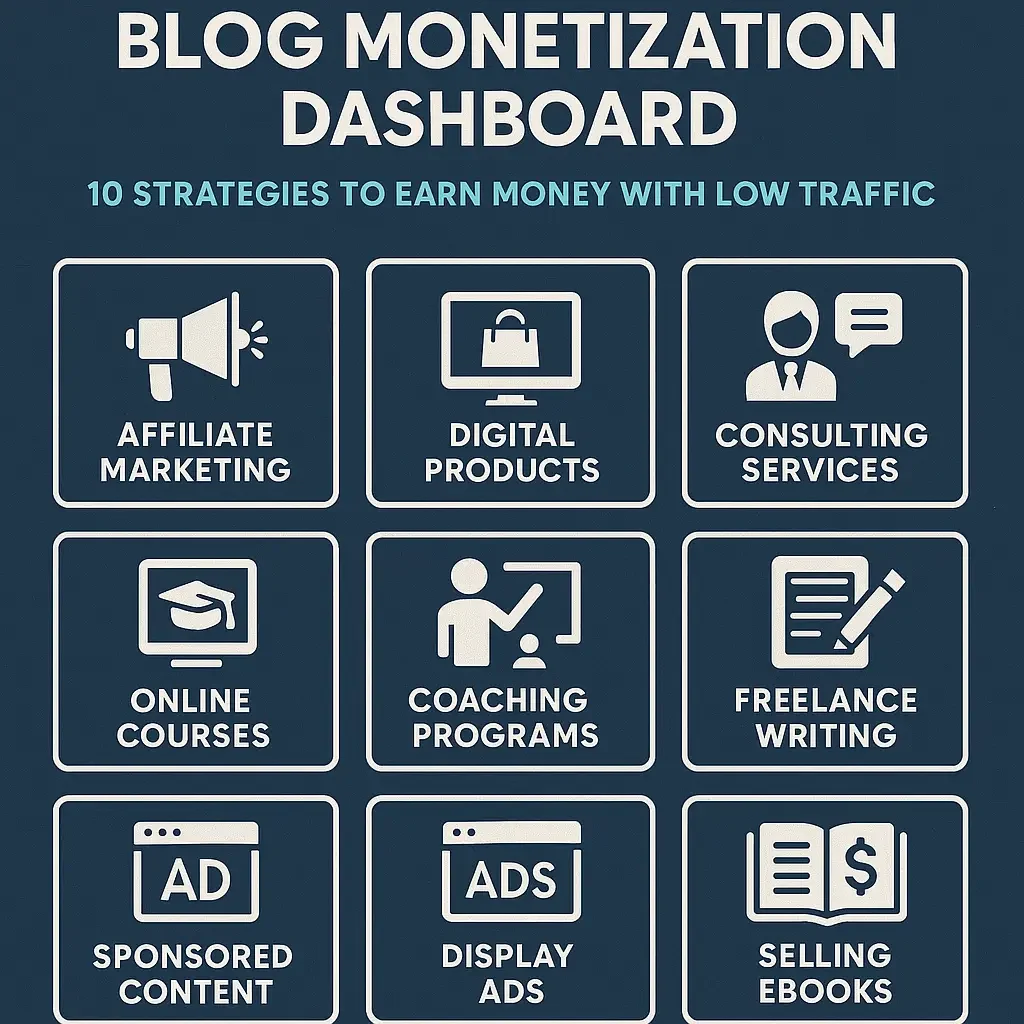
3. Display Ads and Digital Products for Diversification
Display ads become a viable monetization method once your blog reaches approximately 10,000-25,000 monthly page views. Networks like Mediavine and AdThrive require minimum traffic thresholds, but platforms such as Google AdSense accept smaller blogs. You’ll earn passive income through impressions and clicks, though the revenue per thousand impressions (RPM) varies significantly based on your niche. Finance and technology blogs typically command higher RPMs ($15-$30) compared to lifestyle or general interest topics ($5-$10).
The beauty of display ads lies in their passive nature—you install the code once and earn continuously as your traffic grows. You don’t need to pitch brands or negotiate contracts. The income scales directly with your page views, making it an excellent complement to sponsored posts and paid collaborations.
How Display Ads Work
Here’s how display ads work:
- Sign up for an ad network (e.g., Mediavine, AdThrive, or Google AdSense).
- Install the ad code on your blog.
- Start earning money through ad impressions and clicks.
Factors Affecting Revenue from Display Ads
Several factors can impact your earnings from display ads:
- Niche: Different niches have varying RPM rates.
- Traffic: The more page views you have, the higher your potential earnings.
- Ad placement: Experiment with different ad placements to optimize revenue.
Why Digital Products Matter
Digital products offer another powerful revenue stream that positions you as an authority in your niche. Creating ebooks, online courses, templates, or printables allows you to monetize your expertise repeatedly without ongoing effort. A $27 ebook sold to just 40 readers monthly generates $1,080 in additional income.
Digital products enhance your appeal to sponsors by demonstrating your influence and expertise. Brands recognize that bloggers who successfully sell their own products possess persuasive content creation skills and audience trust—exactly what they seek in brand partnerships.
Creating Your First Digital Product
You can create your first digital product by repurposing existing blog content into a comprehensive guide or workbook that solves a specific problem for your audience.
Building Value for Sponsors as a Small Blogger
You don’t need massive traffic numbers to attract high-paying sponsors. Brands are increasingly looking beyond vanity metrics and focusing on bloggers who deliver genuine influence within their niche. The key lies in demonstrating your unique value proposition through strategic content creation and audience development.
1. Creating Content that Appeals to Brands
High-value content creation starts with understanding what brands actually need from sponsored partnerships. Sponsors aren’t just buying ad space—they’re investing in your ability to authentically integrate their products into narratives that resonate with your readers.
Your content strategy should focus on problem-solving within your niche. If you run a personal finance blog, create detailed guides on budgeting tools, investment strategies for beginners, or debt payoff methods. These pieces showcase your expertise while naturally opening doors for relevant brand partnerships with financial apps, budgeting software, or investment platforms.
To enhance your content creation process, consider using an AI content writer, which can help produce high-quality resources that your audience bookmarks, shares, and returns to repeatedly.
Valuable content creation means producing resources that solve specific problems your audience faces. Consider these approaches:
- Case studies showing real results from products or methods you’ve tested
- Comparison posts that help readers make informed purchasing decisions
- Tutorial content
- Data-driven articles featuring original research or surveys from your community
Brands notice when your content generates meaningful engagement. A blog post with 50 thoughtful comments and high time-on-page metrics is more valuable than a post with 5,000 views and zero interaction.
Email list growth directly impacts your sponsorship value. A subscriber list of 1,000 engaged readers who open your emails consistently demonstrates influence that traffic stats alone can’t capture. You control this channel completely—no algorithm changes can affect your reach to these subscribers.
When pitching sponsors, highlight your email open rates, click-through rates, and subscriber growth trends. A 35% open rate with 500 subscribers often outperforms a 15% open rate with 2,000 subscribers. Quality always trumps quantity when demonstrating your ability to drive action and maintain audience trust.
2. Growing and Engaging Your Audience
Building an audience that brands want to reach requires strategic effort across multiple channels. You need to focus on creating high-value content that addresses your readers’ specific pain points—the kind of content that makes people bookmark your posts and share them with friends.
1. Email List Growth: Your Most Powerful Asset
Email list growth stands as one of your most powerful assets when pitching sponsors. While social media followers can disappear with algorithm changes, your email list represents direct access to engaged readers. Brands recognize this value. You can demonstrate to potential sponsors that you have 2,000 email subscribers who open your messages at a 40% rate—that’s more impressive than 10,000 Instagram followers with minimal engagement.
To build this list, offer lead magnets that solve immediate problems for your audience. Think checklists, templates, or mini-guides that deliver quick wins. Place opt-in forms strategically throughout your blog content, especially within posts that already perform well.
2. Expanding Reach with Paid Advertising
Leveraging Instagram paid posts and Facebook sponsored post options expands your reach beyond organic growth. You can use small advertising budgets to promote your best-performing content, driving new readers to your blog. This approach works particularly well when you’re promoting lead magnets—you spend $50 on Instagram ads to gain 100 new email subscribers, then use that growing list as leverage in sponsor negotiations.
3. Tracking Engagement Metrics
Track your engagement metrics religiously. You need concrete numbers showing comment rates, shares, and email open rates when approaching brands.
Leveraging Social Media Platforms for Sponsored Posts
Social media platforms have become powerful ways for small bloggers to make money, each with its own advantages for Instagram paid posts and Facebook sponsored post opportunities.
Instagram: Visual Storytelling and Authentic Connections
Instagram is all about telling stories through visuals and building genuine connections. Brands value Instagram creators who have a consistent style and genuinely engage with their followers. Here’s how you can secure paid collaborations:
- Create a media kit that highlights your engagement rate (often more valuable than follower count)
- Use Instagram Stories to showcase behind-the-scenes content and build trust
- Tag brands you genuinely use and love in your posts
- Respond to every comment and DM to demonstrate active community management
- Utilize Reels to increase discoverability and reach new potential sponsors
Facebook: Community-Building through Groups and Longer-Form Content
Facebook sponsored post opportunities are quite different from Instagram. Facebook’s algorithm prioritizes community-building through Groups and longer-form content. Brands looking for Facebook partnerships often seek bloggers who:
- Run active Facebook Groups related to their niche
- Share blog content that generates meaningful discussions
- Create video content that keeps viewers engaged beyond the first three seconds
- Maintain consistent posting schedules that keep their audience returning
LinkedIn: Higher Rates for Professional Niches
LinkedIn offers unique opportunities for bloggers in professional niches such as business, technology, or career development. The platform’s professional environment allows for higher rates for sponsored content, with brands willing to pay top dollar to reach decision-makers and industry professionals.
Twitter (X): Real-Time Engagement and Thought Leadership
Twitter (X) is best suited for real-time engagement and establishing thought leadership. While individual sponsored tweets may pay less than Instagram posts, you can bundle multiple tweets into campaign packages that justify higher fees.
Pricing Your Sponsored Posts for Maximum Profit
Setting the right price for your high paying sponsored posts requires understanding what drives value in brand partnerships. You need to look beyond vanity metrics and focus on factors that truly matter to sponsors.
Key Pricing Factors:
- Engagement rate – Brands pay premium rates for audiences that actively comment, share, and interact with content. A blog with 5,000 highly engaged readers often commands higher fees than one with 50,000 passive visitors.
- Niche specificity – You can charge more when you serve a targeted audience that’s difficult for brands to reach elsewhere. A parenting blogger focused on special needs children has more pricing power than a general lifestyle blogger.
- Content quality and production value – Professional photography, well-researched articles, and polished presentation justify higher rates.
- Usage rights – Brands requesting exclusive content or extended usage rights should expect to pay significantly more.
- Your track record – Demonstrated ROI from previous campaigns strengthens your pricing strategy.
Real Income Examples:
Small bloggers with 10,000-25,000 monthly page views regularly earn $200-$500 per sponsored post. Those who’ve built strong engagement and niche authority command $500-$1,500 per post despite modest traffic numbers.
I’ve seen food bloggers with 15,000 monthly visitors charge $800 per sponsored recipe post because their audience actively cooks the recipes and shares results. A travel micro-blogger earning $1,200 per post focused exclusively on accessible travel for wheelchair users—a highly specific niche that brands struggled to reach through other channels.
How to Get High-Paying Sponsored Posts as a Small Blogger starts with knowing your worth. Calculate your engagement rate, document your audience demographics, and research what similar bloggers charge in your niche.
Practical Steps to Get Sponsored on Instagram and Beyond
Getting sponsored on Instagram requires a strategic approach that goes beyond simply waiting for brands to discover you. You need to actively position yourself as a valuable partner.
1. Direct Brand Outreach
Start by identifying brands that align with your niche and values. Research companies already working with micro-influencers in your space. Create a list of 10-15 potential partners, then craft personalized emails to their marketing departments. Your pitch should include:
- A brief introduction highlighting your niche expertise
- Your Instagram handle and blog URL
- Specific engagement metrics (not just follower count)
- Examples of previous sponsored content or your content style
- Why you’re a perfect fit for their brand specifically
2. Joining Instagram-Focused Sponsorship Networks
Platforms like AspireIQ, Influence.co, and Fohr specialize in connecting Instagram creators with brands. These networks often have lower follower requirements than you’d expect—some accept creators with as few as 1,000 engaged followers. Create detailed profiles showcasing your best performing posts and audience demographics.
3. Building Your Media Kit
You need a professional one-page media kit that includes:
- Your blog and Instagram statistics
- Audience demographics (age, location, interests)
- Engagement rates and reach metrics
- Previous brand collaborations
- Content examples with performance data
- Your rate card or pricing structure
Track your Instagram analytics religiously. Brands care about saves, shares, and comments more than likes. When you can demonstrate that your audience actively engages with product recommendations, you become infinitely more attractive to potential sponsors.
Case Studies and Income Examples from Small Bloggers
The numbers tell a compelling story when you look at real income reports from small bloggers who’ve cracked the sponsored post code.
Sarah’s Success Story
Sarah from Frugal on the Prairie started with just 15,000 monthly pageviews and secured her first $500 sponsored post within six months. She combined this with affiliate marketing through Amazon Associates and ShareASale, bringing her total monthly income to $1,200. Her secret? A hyper-focused niche in budget homesteading that attracted outdoor and sustainable living brands.
Jessica’s Earnings Breakdown
Jessica at The Budget Mama shares detailed income reports showing how she earned $2,400 in one month from just three sponsored posts while maintaining 30,000 monthly visitors. She paired these sponsorships with digital product sales—a $27 meal planning ebook that generated an additional $800. The combination of revenue streams made her blog more stable and attractive to recurring sponsors.
Emma’s Monthly Income Breakdown
Lifestyle blogger Emma’s breakdown:
- 3 sponsored Instagram posts: $900
- 2 blog-based sponsored posts: $1,400
- Affiliate commissions (LTK and RewardStyle): $650
- Digital course sales: $500
- Total monthly income: $3,450
Marcus’ Sponsored Campaign Success
Food blogger Marcus documented earning $1,800 from a single sponsored campaign with a kitchenware brand despite having only 25,000 monthly readers. His engagement rate of 8% and professional photography made him stand out. He supplemented this with Mediavine display ads ($400) and affiliate links to cooking tools ($300).
These income reports demonstrate that you don’t need massive traffic to earn substantial money. The bloggers who consistently hit $1,000+ monthly combine multiple revenue streams—sponsored posts form the foundation, while affiliate marketing and digital products fill the gaps between campaigns.
Tools and Resources to Manage Sponsored Post Campaigns
Managing multiple sponsored post campaigns requires organization and efficiency. You need systems that keep track of deadlines, deliverables, and brand communications without dropping the ball.
Here are some tools and resources that can help you manage your sponsored post campaigns effectively:
1. Lead Pages
Lead Pages stands out as a powerful tool for creating high-converting landing pages that integrate seamlessly with your blog content. When you’re working on sponsored campaigns that require dedicated product pages or special promotional content, Lead Pages lets you build professional sales pages quickly. The platform’s templates are designed for conversion, which means you can demonstrate tangible results to sponsors. You can track metrics like click-through rates and conversions, giving you concrete data to share with brands when negotiating future partnerships.
2. HoneyBook
HoneyBook transforms how you handle client relationships when you’re juggling sponsored posts alongside other services like coaching or consulting. The platform centralizes your contracts, invoices, and project timelines in one dashboard. You can send professional proposals to brands, automate follow-up emails, and track payment status without switching between multiple tools. This level of organization signals professionalism to potential sponsors.
3. Asana or Trello
Asana or Trello work well for content calendar management. You can create boards for each sponsored campaign, set deadlines for drafts and revisions, and collaborate with brands who want to review content before publication.
4. SEO Optimization Tools
To enhance your SEO performance during these campaigns, consider leveraging some of the best free AI tools for SEO optimization. These tools can significantly boost keyword research and content optimization.
5. Google Analytics
Google Analytics remains essential for tracking which sponsored posts drive the most engagement. You can share these insights with current sponsors and use the data as leverage when pitching to new brands. The metrics prove your ability to deliver results, which directly impacts how to get high-paying sponsored posts as a small blogger.
6. Canva Pro
Canva Pro streamlines graphic creation for sponsored content across your blog and social channels, maintaining visual consistency that brands appreciate.
Conclusion
Getting high-paying sponsored posts as a small blogger isn’t a mystery—it’s a systematic approach to building value, demonstrating expertise, and maintaining consistent growth. You’ve learned the frameworks, tools, and strategies that transform small blogs into profitable sponsorship platforms.
The path forward requires you to grow blog sponsorships through deliberate action:
- Diversify your income streams by combining sponsored posts with affiliate marketing, digital products, and display ads
- Track your engagement metrics religiously—brands pay for influence, not just traffic numbers
- Invest time in relationship building with both your audience and potential sponsors
- Refine your pitch based on actual results and feedback from brand partnerships
Your blog won’t land $1,000 sponsored posts overnight. I’ve seen bloggers take 6-12 months of consistent effort before securing their first high-paying partnership. The difference between those who succeed and those who quit? Persistence paired with adaptation.
Test different approaches. If Instagram sponsorships aren’t converting, pivot to LinkedIn or Facebook. If brands aren’t responding to cold pitches, join sponsorship networks. If your engagement rates plateau, experiment with new content formats.
You have the roadmap. The question isn’t whether small bloggers can secure high-paying sponsored posts—you know they can. The question is: will you put in the work to become one of them?
FAQs (Frequently Asked Questions)
What are sponsored posts and why are they important for small bloggers?
Sponsored posts are paid collaborations where brands partner with bloggers to promote their products or services. They are significant for small bloggers as they provide a valuable income stream and opportunities to build brand partnerships across multiple platforms like Instagram, Facebook, and LinkedIn.
How can small bloggers monetize their content besides sponsored posts?
Besides sponsored posts, small bloggers can diversify their income through affiliate marketing by promoting products for commission-based income, display ads that generate revenue from blog traffic, and creating digital products such as ebooks or courses to sell to their audience.
What strategies can small bloggers use to create content that attracts sponsors?
Small bloggers should focus on producing high-value content that aligns with sponsor needs by demonstrating expertise in their niche and solving readers’ pain points. Building an engaged audience and growing an email list also enhances appeal to potential sponsors by showcasing direct communication channels beyond social media.
How can small bloggers leverage social media platforms like Instagram and Facebook for sponsored posts?
Each social media platform offers unique sponsorship opportunities. Small bloggers can secure paid collaborations on Instagram by crafting compelling pitches highlighting their blog influence and engagement metrics. Utilizing Facebook’s sponsored post options helps expand reach and attract brand partnerships effectively.
What factors influence the pricing of sponsored posts for small bloggers?
Pricing of sponsored posts depends on factors such as audience size, engagement quality, niche relevance, and the value offered to the sponsor. Small bloggers have successfully earned hundreds to thousands of dollars per post by demonstrating strong engagement and producing high-quality sponsored content.
What tools can help small bloggers manage sponsored post campaigns efficiently?
Recommended tools include Lead Pages for building integrated product sales pages within blog content and HoneyBook or similar platforms to manage client relationships when offering services alongside sponsorships. These resources streamline campaign management and improve professionalism in handling brand collaborations.