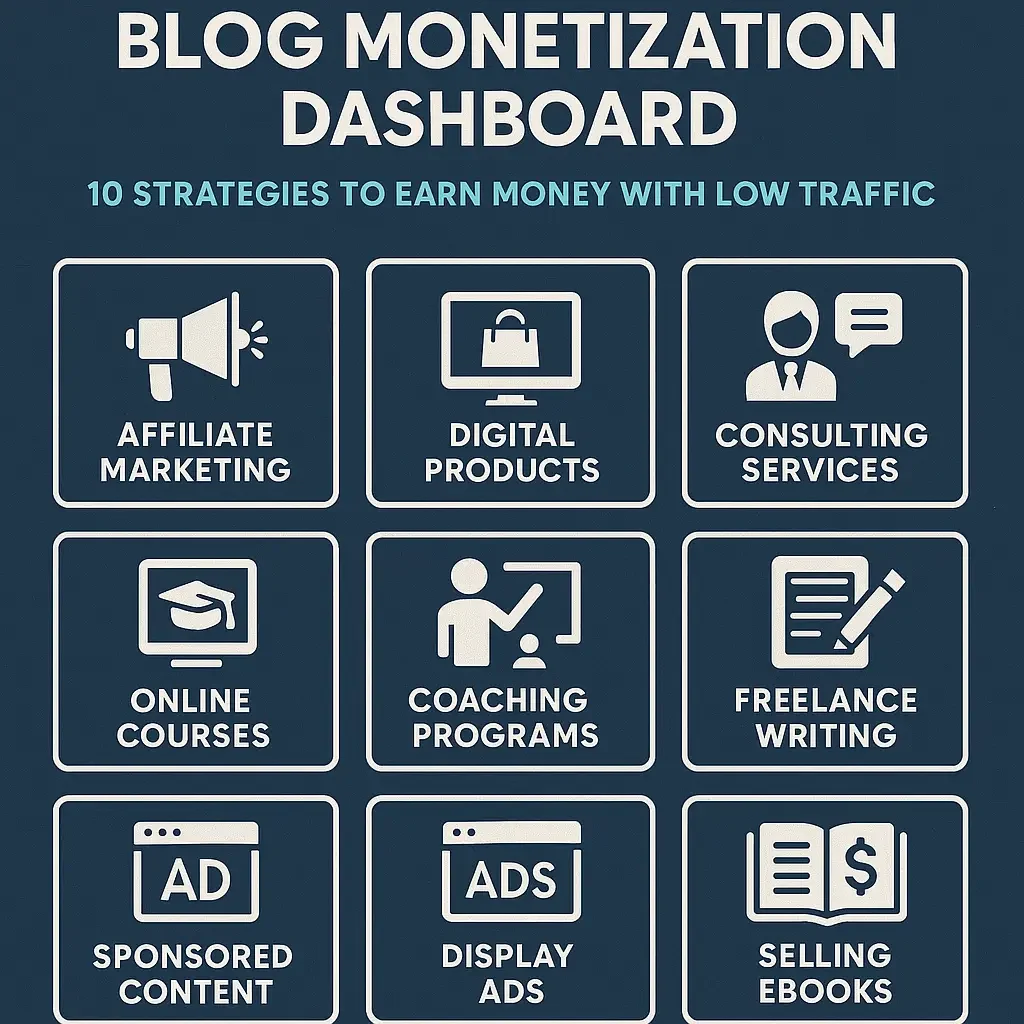
The digital products market is booming. It’s a global industry expected to exceed $123 billion by 2025. If you’re looking for ways to sell digital products on your blog, now is the perfect time to do so.
Your blog isn’t just a platform for sharing ideas—it’s also a powerful sales tool waiting to be used. Unlike traditional retail, selling digital products on your blog gives you complete control over your store, messaging, and profit margins. You don’t need a large social media following or a budget for paid advertising to start making money.
I’ve seen many bloggers successfully turn their content platforms into profitable digital product businesses. The beauty of this model? You create once and sell repeatedly, building a sustainable income stream that grows while you sleep.
In this article, we’ll go over how to sell digital products successfully on your blog. You’ll learn how to pick the right products, set up your technical infrastructure, and use marketing strategies that actually convert readers into customers. To support you on this journey, BloggerHub offers valuable resources and insights that can enhance your blogging and selling experience. Let’s get started.
Understanding Digital Products and Their Potential
Digital products are intangible assets you create once and sell repeatedly without maintaining physical inventory. When you sell digital products on your blog, you’re offering downloadable or accessible content that provides value to your audience.
Common digital products types include:
- eBooks and guides – Comprehensive written resources on specific topics
- Online courses – Video or text-based educational programs with structured lessons
- Templates and printables – Ready-to-use designs for planners, worksheets, or business documents
- Presets and filters – Photo editing configurations for Lightroom or mobile apps
- Memberships – Exclusive access to ongoing content and community
- Toolkits and bundles – Collections of resources packaged together
The benefits of digital products make them attractive for bloggers at any stage. You eliminate manufacturing costs, shipping logistics, and inventory management. Each sale generates nearly 100% profit after your initial creation investment. You can reach customers globally without geographical limitations, and the market continues expanding as more people seek online learning and digital solutions.
Different niches naturally align with specific product types. Personal development blogs thrive with journals and self-improvement courses. Health and fitness bloggers successfully sell workout plans and meal prep templates. Graphic design blogs attract buyers looking for design templates, fonts, and creative resources. The key is matching what you know with what your audience actively searches for when they want to solve their problems or achieve their goals.
Choosing the Right Digital Product for Your Blog
Before you create anything, you need to choose digital product options that align with your blog’s unique position in the market. Start by defining your niche with laser precision. Ask yourself: What specific problems does my audience face? What keeps them up at night? What solutions are they actively searching for?
Your ideal customer profile shapes everything. If you run a productivity blog targeting busy entrepreneurs, a time-management template or project planner makes sense. A food blogger might create meal prep guides or recipe eBooks. The key is matching your expertise with your audience’s pain points.
Validate product demand before investing time and resources into creation. Pinterest Trends reveals what your target audience is actively searching for and saving. Type in keywords related to your niche and watch for upward trending topics. Google Trends provides similar insights, showing search volume patterns over time and geographic interest.
You can also:
- Survey your existing email subscribers about their biggest challenges
- Analyze comments on your blog posts to identify recurring questions
- Check Amazon bestsellers in categories related to your niche
- Browse forums and Facebook groups where your audience hangs out
The intersection between what you know, what your audience needs, and what people are actively searching for is your sweet spot. This is where profitable digital products live. Don’t skip the validation step—it’s the difference between creating something that sells and something that sits untouched in your digital inventory.
Creating High-Quality Digital Products That Sell
When you’re ready to create digital product offerings, you face a critical decision: should you build everything yourself or outsource the work?
1. DIY Product Creation
DIY Product Creation gives you complete control over your content and keeps costs minimal. You maintain your authentic voice throughout the product, which resonates with your audience.
- Pros: Complete control over content, minimal costs, authentic voice
- Cons: Time-intensive, potential lack of technical skills for advanced features
2. Outsourcing
Outsourcing brings professional polish to your products. You can hire designers, writers, or developers who specialize in creating high-converting digital products.
- Pros: Professional quality, time-saving
- Cons: Higher upfront costs, need for clear communication with contractors
This approach frees up your time to focus on marketing and sales. The trade-off is higher upfront costs and the need to communicate your vision clearly to contractors.
For those choosing the DIY route, Canva transforms anyone into a designer. You can create stunning eBook covers, course workbooks, and template designs using thousands of pre-made layouts. Google Docs works perfectly for writing guides, checklists, and text-based products that you can easily export as PDFs.
When you learn how to sell digital products on my blog, remember that mobile-friendly design isn’t optional—it’s essential. Over 60% of internet users access content from mobile devices. Your PDFs should be readable on small screens, your templates should maintain formatting across devices, and your course materials should load quickly on any connection speed. Test your products on multiple devices before launch to ensure every customer enjoys a seamless experience regardless of how they access your content creation tools.
In addition to these tools, leveraging technology can significantly enhance your product creation process. For instance, utilizing some of the 10 Must-Have AI Plugins For WordPress In 2025 can automate tasks, boost SEO, and personalize user experiences effortlessly.
Setting Up Your Blog for Successful Digital Product Sales
Your blog needs to function as both a content hub and a digital storefront. You can’t just slap a “Buy Now” button on your homepage and expect sales to roll in. The setup requires strategic planning to guide visitors from casual readers to paying customers.
Transform Your Blog Into a Product Showcase
Create dedicated product pages that highlight what you’re selling. These pages should include:
- Clear product descriptions that explain exactly what buyers receive
- High-quality mockups or preview images showing your digital product
- Benefit-focused copy that addresses your audience’s pain points
- Testimonials or reviews from previous customers (once you have them)
- Prominent call-to-action buttons that stand out visually
Place strategic links to your products throughout your blog. Your navigation menu should feature a “Shop” or “Products” tab. Your sidebar can display product banners. Your author bio can mention your offerings.
Optimize for Search Engine Visibility
Blog SEO optimization for blogs directly impacts your ability to attract organic buyers. You need to create keyword-rich valuable content that ranks in search engines. Research what your target customers are searching for using tools like Google Trends or Pinterest Trends.
To enhance your SEO strategy, consider leveraging some of the best free AI tools for SEO optimization available in 2025. These tools can significantly boost your keyword research, content optimization, and overall SEO performance.
Write blog posts that naturally incorporate these search terms while providing genuine value. A fitness blogger selling workout templates might write “30-Day Home Workout Plan for Beginners” and link to their paid template collection. The content attracts searchers, builds trust, and introduces your products to qualified prospects who are already interested in your niche.
Implementing Technical Tools That Facilitate Smooth Transactions on Your Blog
You need the right eCommerce platforms for blogs to turn visitors into paying customers. The technical backbone of your digital product business determines whether you lose sales to cart abandonment or create a seamless buying experience.
Checkout Platforms
ThriveCart stands out as my preferred checkout platform because it handles transactions securely while giving you complete control over your sales process. You pay once for lifetime access instead of monthly fees eating into your profits. The platform includes features like one-click upsells, A/B testing capabilities, and automatic sales tax calculations. You can customize checkout pages to match your brand without touching a single line of code.
Gumroad offers a simpler alternative if you’re just starting out. You upload your digital product, set your price, and share the link. Gumroad handles everything from payment processing tools to file delivery. The trade-off? You’ll pay transaction fees on each sale, but you skip the upfront investment.
Email Marketing Integration
Email marketing integration separates successful digital product sellers from those who struggle. ActiveCampaign gives you sophisticated automation capabilities to nurture leads through personalized email sequences. You can tag customers based on their purchases and send targeted follow-up offers that match their interests.
ConvertKit simplifies email marketing specifically for creators. You build your list through opt-in forms embedded on your blog, then deliver automated sequences that warm up subscribers before you pitch your products. The visual automation builder makes it easy to create complex customer journeys without technical expertise.
Promoting Your Digital Products Effectively Through Strategic Marketing Strategies on Your Blog
Your blog is the perfect place to promote your digital products in a natural and authentic way. The key is to create content that educates first and sells second.
Crafting Blog Posts Around Your Digital Products
When you write blog posts about your digital products, focus on solving specific problems your readers have. For example, if you’re selling a social media template pack, you could write detailed guides about:
- Content planning strategies
- Posting schedules
- Engagement tactics
Throughout the post, mention your templates as practical solutions that readers can implement right away. This positions your products as valuable tools instead of pushy sales pitches.
Using an AI content writer can make this process much easier. It allows you to create high-quality, engaging content that resonates with your audience.
Optimizing Your Promotional Posts for SEO
To attract more traffic to these promotional posts, you’ll need to optimize them for search engines. Start by researching keywords like “how to sell digital products on my blog” and related long-tail variations that your target audience is searching for.
Include these keywords naturally in the following places:
- Post titles and H2/H3 headings
- The first 100 words of your content
- Image alt text and file names
- Meta descriptions
Make sure to structure your content with clear headings, short paragraphs, and scannable bullet points. Search engines prefer well-organized content that keeps readers engaged.
Adding Visuals to Increase Engagement
In addition to written content, include compelling visuals such as screenshots, infographics, or demo videos showcasing your digital products in action. These elements not only make your posts more visually appealing but also increase the time readers spend on the page.
By combining educational blog posts with strategic SEO optimization and engaging visuals, you can effectively promote your digital products while providing value to your audience.
Leveraging Additional Marketing Channels Beyond Your Blog To Expand Reach And Drive More Sales For Your Digital Products
Your blog serves as your home base, but social media marketing for digital products opens doors to audiences you wouldn’t reach otherwise. You need to meet potential customers where they already spend their time scrolling and engaging.
Create Platform-Specific Content
Start by creating platform-specific content that demonstrates your expertise:
- On Instagram, design eye-catching carousel posts breaking down complex topics from your niche.
- On TikTok or YouTube Shorts, share quick tips that position you as the go-to expert.
- Pinterest works exceptionally well for digital products—create vertical pins showcasing your templates, worksheets, or course modules with clear value propositions.
Schedule Posts Efficiently
Tools like ClickSocial help you schedule posts across multiple platforms without spending hours managing each account separately. You can batch-create content and maintain consistent visibility while focusing on product development.
Collaborate with Influencers
Influencer collaborations accelerate your reach exponentially. Identify creators in your niche who share your target audience but aren’t direct competitors. You can:
- Offer affiliate partnerships where they earn commission on sales
- Provide free access to your product in exchange for honest reviews
- Co-create content that benefits both audiences
- Guest post on their blogs with strategic links to your products
Industry experts with established audiences bring instant credibility to your offerings. When someone your ideal customer already trusts recommends your digital product, you bypass the lengthy trust-building process and convert sales faster.
Measuring Success And Continuously Optimizing Your Sales Strategy For Long-Term Growth With Selling Digital Products On A Blog
You can’t improve what you don’t measure. Analytics for digital product sales reveal exactly what’s working and what needs adjustment in your strategy.
MonsterInsights makes Google Analytics accessible right from your WordPress dashboard. You’ll see which blog posts drive the most product page visits, where your buyers come from, and which traffic sources convert best. I’ve used MonsterInsights on multiple blogs, and the data always surprises me—sometimes your highest-traffic posts aren’t your best converters.
Pay attention to these critical metrics:
- Conversion rate: The percentage of visitors who complete a purchase
- Average order value: How much customers spend per transaction
- Traffic sources: Which channels bring qualified buyers
- Cart abandonment rate: How many people add products but don’t complete checkout
- Email opt-in rate: The effectiveness of your list-building efforts
Native platform reports from ThriveCart, Gumroad, or WooCommerce provide transaction-specific insights. You’ll discover which products sell together, peak purchasing times, and customer behavior patterns.
Test different elements systematically. Change your product page headlines one week, adjust pricing the next, or experiment with new checkout button colors. Small tweaks compound into significant revenue increases over time.
Review your analytics weekly during the first three months, then shift to bi-weekly or monthly check-ins once you’ve established baseline performance. This rhythm keeps you informed without becoming obsessive about daily fluctuations.
Conclusion
You now have the complete roadmap for how to sell digital products on my blog. The sell digital products benefits are clear: low overhead costs, unlimited scalability, and the potential to generate passive income while you sleep.
Start small. Pick one digital product that aligns with your audience’s biggest pain point. Create it with care, price it strategically, and promote it consistently through your blog content and email list.
You don’t need a massive following to make your first sale. You need a clear understanding of your audience, a quality product that solves their problem, and the right technical tools to facilitate smooth transactions.
Take action today. Set up your checkout platform, create your first product page, and write one blog post that showcases your expertise while naturally leading readers to your offer. Each sale you make validates your approach and funds the growth of your digital product empire.
Your blog is already a powerful asset—it’s time to monetize it with digital products that serve your audience and build your sustainable income stream.
FAQs (Frequently Asked Questions)
What are digital products and why are they ideal for selling on a blog?
Digital products include items like eBooks, online courses, templates, and more that can be sold and delivered electronically. They offer advantages such as low overhead costs, scalability, and the ability to serve various niches and audiences effectively through your blog.
How do I choose the right digital product to sell on my blog?
Start by identifying your blog’s niche and understanding your ideal customer profile. Validate product demand using tools like Pinterest Trends and Google Trends to ensure there is a market for your idea. Align your product choice with your audience’s needs and interests for better sales potential.
What are the best practices for creating high-quality digital products for my blog?
You can create digital products yourself using tools like Canva and Google Docs or outsource creation depending on your resources. Focus on making visually appealing, professional, mobile-friendly, and accessible products to enhance user experience and increase sales.
How can I set up my blog effectively to sell digital products?
Use your blog as a storefront by showcasing your digital products clearly. Optimize your blog content with SEO strategies including keyword-rich valuable posts to attract organic traffic from search engines, which increases visibility and potential sales.
Which technical tools should I use to facilitate smooth transactions on my blog?
Integrate reliable eCommerce platforms such as ThriveCart or Gumroad for secure payment processing. Additionally, use email marketing services like ActiveCampaign or ConvertKit to build mailing lists and nurture leads for ongoing sales opportunities.
What marketing strategies can help me promote my digital products successfully on my blog?
Craft compelling blog posts that highlight the benefits of your digital products while providing valuable content. Apply SEO best practices in these posts to improve search engine rankings. Also, leverage social media marketing by creating engaging content and collaborating with influencers to expand reach beyond your blog.