
Step 1: Find Your Blogging Niche
Selecting the right niche is crucial for blogging success. Your niche should ideally sit at the intersection of your passions, expertise, and market demand. Research potential topics using tools like Google Trends, BuzzSumo, or Ubersuggest to analyze search volume and competition. Profitable niches often include personal finance, health and wellness, technology, travel, and personal development. However, even specialized micro-niches can be lucrative if they serve a dedicated audience with specific needs. This is the most important step in start blogging and make money.
When evaluating potential niches, consider monetization opportunities within that space. Some niches naturally attract higher-paying advertisers or lend themselves better to affiliate marketing. For example, finance blogs typically command higher advertising rates than hobby blogs. Aim to choose a niche broad enough to provide consistent content ideas but specific enough to attract a targeted audience who will recognize you as an authority.
Step 2: Choose a Memorable Domain Name
Your domain name serves as your blog’s digital address and a core component of your brand identity. Ideally, it should be short, memorable, and relevant to your content. Use keywords related to your niche when possible, but prioritize brandability over keyword stuffing. Tools like Namecheap or GoDaddy can help you check domain availability and suggest alternatives if your first choice is taken.
Popular domain extensions include .com, .net, and .org, with .com generally being the most recognized and trusted. Consider purchasing additional extensions to protect your brand if your budget allows. Avoid hyphens, numbers, or unusual spellings that make your domain difficult to remember or verbally communicate. Budget between $10-15 annually for domain registration, and ensure you set up auto-renewal to prevent accidentally losing your domain.
Step 3: Select the Right Blogging Platform
WordPress powers approximately 43% of all websites and offers unmatched flexibility for bloggers. WordPress.org (self-hosted) provides complete control over your site and content, while WordPress.com offers a simpler but more limited experience. Other popular platforms include Wix, Squarespace, and Blogger, each with varying degrees of customization and pricing models.
Self-hosted WordPress requires purchasing hosting separately (typically $3-10 monthly for beginners) but grants access to unlimited plugins, themes, and monetization options. For serious bloggers intent on making money, self-hosted WordPress almost always represents the best long-term investment despite the slightly steeper learning curve. The platform’s extensive documentation, community support, and flexibility make it ideal for scaling your blog as it grows.
Step 4: Set Up Professional Web Hosting
Quality hosting ensures your blog loads quickly and remains accessible—both critical factors for user experience and search engine rankings. Beginner bloggers should consider shared hosting from reputable providers like Bluehost, SiteGround, or HostGator, which typically costs $3-7 per month with promotional pricing. As your traffic grows, you may need to upgrade to VPS or managed WordPress hosting for improved performance.
When selecting a host, prioritize uptime guarantees (look for 99.9% or higher), customer support availability, and server location options. Many hosts offer one-click WordPress installation, free SSL certificates, and email accounts. Read recent customer reviews before committing, as hosting quality can change over time. Most providers offer money-back guarantees, allowing you to test their service without risk.
Step 5: Design an Attractive, User-Friendly Blog
Your blog’s design creates the first impression for visitors and influences how they interact with your content. Select a responsive WordPress theme that looks great on all devices and complements your niche. Premium themes ($30-100) often provide better support, regular updates, and more customization options than free alternatives, making them worthwhile investments for serious bloggers.
Focus on creating a clean, uncluttered layout with easy navigation. Essential design elements include a prominent logo, intuitive menu structure, legible typography, and strategic use of white space. Limit your color palette to 2-3 complementary colors for a cohesive look. Install essential plugins like Yoast SEO, Akismet (spam protection), and a caching plugin to optimize performance. Remember that faster loading times improve both user experience and search rankings.
Step 6: Create Compelling Cornerstone Content
Begin your blog with 5-10 high-quality articles that showcase your expertise and target important keywords in your niche. These cornerstone pieces should be comprehensive (1,500+ words), evergreen, and provide exceptional value to readers. They’ll serve as the foundation for your site structure and establish your authority in the niche.
Structure your content with clear headings (H2, H3, H4), short paragraphs, and bulleted lists for improved readability. Include relevant images, infographics, or videos to enhance engagement and break up text. Conduct thorough keyword research using tools like Ahrefs, SEMrush, or the free Keyword Surfer Chrome extension to identify terms your audience is searching for. Aim to naturally incorporate these keywords into your titles, headings, and throughout your content without sacrificing readability.
Step 7: Implement a Consistent Content Strategy
Consistency outweighs frequency when building a successful blog. Develop a realistic publishing schedule you can maintain long-term, whether that’s weekly, bi-weekly, or monthly. Create a content calendar mapping out topics, keywords, and publication dates for at least a month in advance. This strategic approach prevents last-minute scrambling and ensures your content aligns with your overall business goals.
Diversify your content formats to appeal to different audience preferences. Mix comprehensive guides (2,000+ words) with shorter posts, case studies, interviews, and listicles. Repurpose successful content into different formats—transform popular articles into videos, infographics, or podcast episodes to extend reach. Track performance metrics to identify which topics and formats resonate most with your audience, then produce more similar content.
Step 8: Build an Email List From Day One
Email marketing remains one of the most effective channels for monetizing a blog, with an average ROI of $36 for every $1 spent. Install an email capture system immediately, even before you have significant traffic. Popular options include ConvertKit, Mailchimp (free up to 2,000 subscribers), or AWeber. Create compelling lead magnets such as ebooks, checklists, or mini-courses that provide immediate value to incentivize signups.
Strategically place opt-in forms in high-visibility areas like your homepage, about page, and at the end of popular posts. Consider implementing exit-intent popups or welcome mats to capture visitors before they leave. Segment your list based on interests or behavior to deliver targeted content. Establish a consistent email schedule—whether weekly, bi-weekly, or monthly—to maintain engagement without overwhelming subscribers.
Step 9: Master SEO Fundamentals
Search engine optimization drives sustainable, passive traffic to your blog over time. Beyond keyword research, focus on technical SEO elements like proper URL structure, meta descriptions, image alt text, and internal linking. Install an SEO plugin like Yoast or Rank Math to guide on-page optimization efforts. Create a logical site structure with categories and tags that help both users and search engines navigate your content.
Build quality backlinks through guest posting, HARO (Help A Reporter Out), podcast interviews, or creating shareable infographics and original research. Focus on earning links from relevant, authoritative sites in your niche rather than quantity. Monitor your SEO performance using Google Search Console and Google Analytics to identify improvement opportunities. Pay attention to metrics like organic traffic growth, click-through rates, and keyword rankings.
Step 10: Diversify Your Monetization Strategies
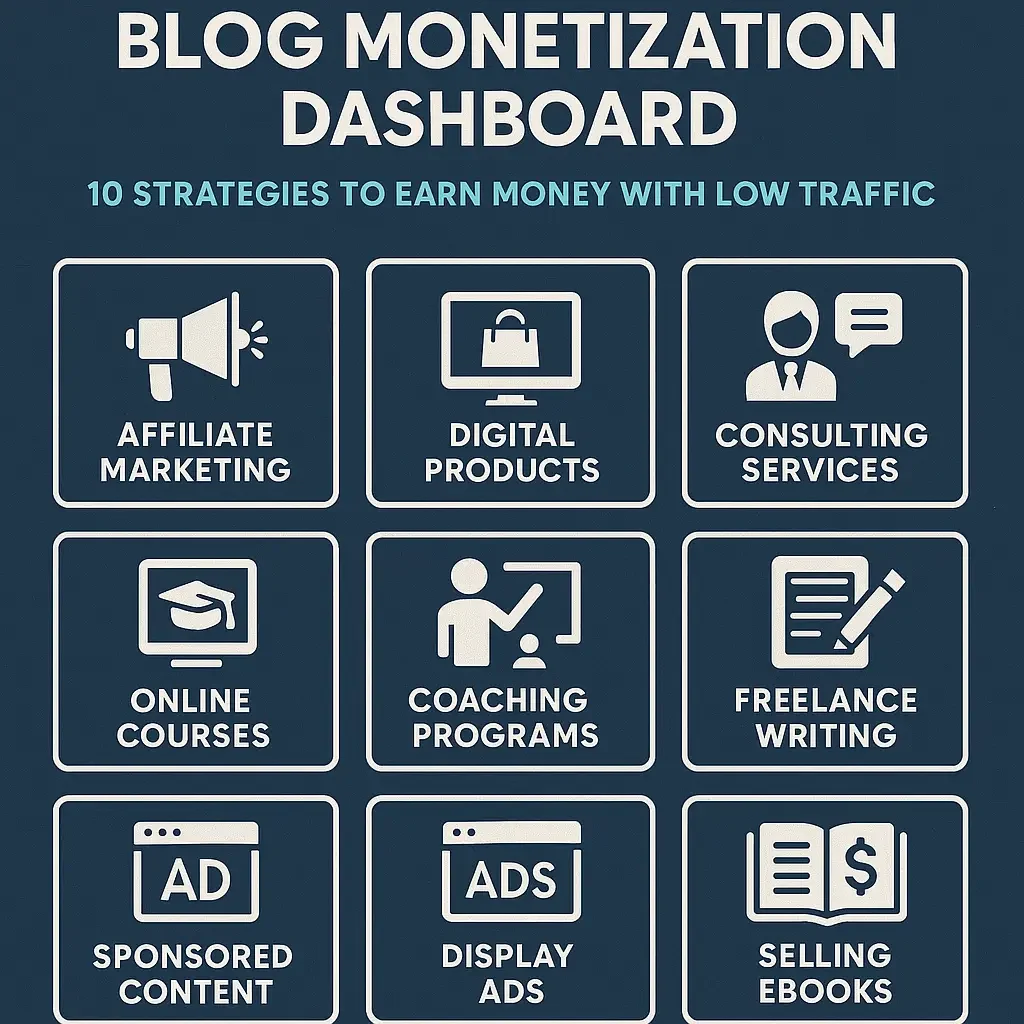
Successful bloggers rarely rely on a single income stream. Begin with affiliate marketing by promoting products you genuinely use and trust. Join affiliate programs directly with companies or through networks like Amazon Associates, ShareASale, or Awin. Create in-depth product reviews, comparison posts, and resource pages that naturally incorporate affiliate links while providing real value to readers.
Display advertising through Google AdSense offers a low barrier to entry, though networks like Mediavine and AdThrive provide significantly higher rates once you reach their traffic thresholds (typically 50,000+ sessions monthly). Create and sell digital products such as ebooks, courses, templates, or printables that solve specific problems for your audience. As your authority grows, explore sponsored content opportunities, coaching services, or membership communities for recurring revenue.
Step 11: Analyze and Optimize Performance
Data-driven decisions separate professional bloggers from hobbyists. Install Google Analytics and set up goal tracking to monitor important metrics like traffic sources, popular content, bounce rates, and conversion rates. Review this data monthly to identify trends and optimization opportunities. Use heat mapping tools like Hotjar to visualize how visitors interact with your pages.
Regularly conduct content audits to identify underperforming articles that could benefit from updating, expanding, or consolidating. Test different headlines, calls to action, and page layouts to improve conversion rates. Solicit feedback directly from readers through surveys or comment interactions. Set specific, measurable goals for traffic, email subscribers, and revenue, then develop strategic action plans to achieve them. Successful blogs continuously evolve based on performance data and audience needs.