Choosing the right blog monetization platforms can make or break your income potential in today’s digital economy. The platform you select determines not just how much money you can earn, but also how much control you have over your revenue streams, design flexibility, and growth trajectory. I’ve tested numerous platforms over the years, and the difference between a well-suited platform and a poor match is often thousands of dollars in annual revenue.
The best blog monetization platforms offer different strengths depending on your technical skills, budget, and monetization goals. Whether you want to monetize WordPress blog content through ads and affiliates or prefer an all-in-one hosted solution, your platform choice shapes everything from customization options to transaction fees.
In this guide, you’ll discover the top 7 blog monetization platforms that can boost your income:
- WordPress.org
- WordPress.com
- Wix
- Squarespace
- Weebly
- Blogger
- Ghost
Each platform brings unique advantages and limitations to your monetization strategy.
Understanding Different Blog Monetization Strategies
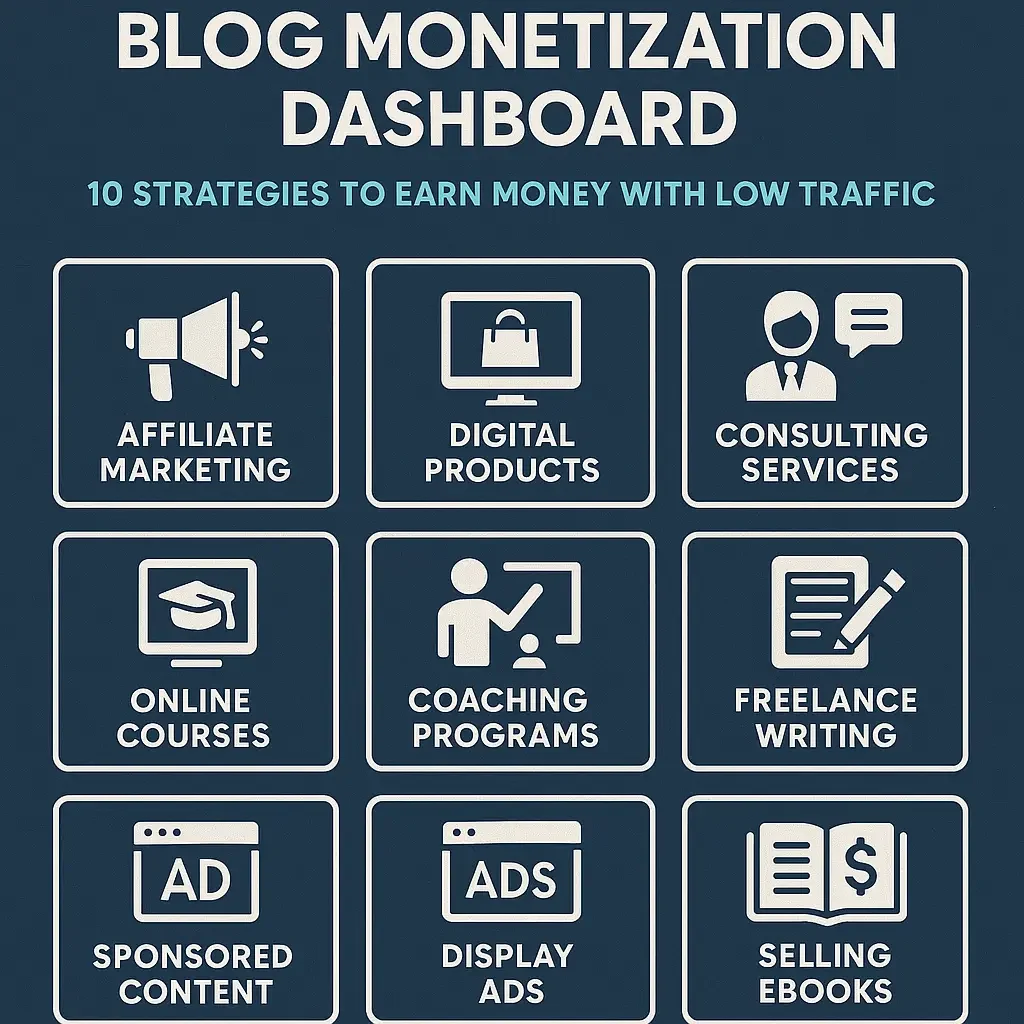
The best blog sites for monetization support multiple revenue streams that work together to maximize your earning potential. You need to understand how each method functions before selecting a platform that aligns with your goals.
1. Affiliate Marketing for Blogs
Affiliate marketing for blogs represents one of the most popular blog monetization strategies. You promote products or services through unique tracking links and earn commissions when readers make purchases. This method works particularly well when you recommend tools and resources you genuinely use and trust. Amazon Associates, ShareASale, and CJ Affiliate are common networks bloggers leverage to find relevant products for their audience.
2. Brand Sponsorships
Brand sponsorships involve partnering with companies to create content featuring their products or services. You receive payment for dedicated posts, product reviews, or ongoing partnerships. These collaborations typically generate higher income per post compared to other methods, especially when you’ve built a loyal audience in a specific niche.
3. Selling Ad Space
Selling ad space allows you to display advertisements on your blog through networks like Google AdSense or Mediavine. You earn revenue based on impressions (views) or clicks. Display ads provide passive income once implemented, though you’ll need substantial traffic to generate meaningful revenue.
4. Exclusive Content Monetization
Exclusive content monetization includes membership sites, premium newsletters, and digital products. You create paywalled content that readers access through subscriptions or one-time purchases. This strategy builds predictable recurring revenue when you consistently deliver value.
Your success with these blog monetization strategies depends on three critical factors:
- Traffic volume: Higher visitor numbers increase ad revenue and potential affiliate sales
- Niche selection: Specific topics attract audiences willing to spend money on solutions
- Audience engagement: Active readers who trust your recommendations convert at higher rates
Key Features to Look for in a Blog Monetization Platform
Selecting the right platform requires careful evaluation of specific blog platform features that directly impact your earning potential. You need to assess how each platform aligns with your technical abilities and revenue objectives.
Customization Options
Customization options determine how much control you have over your blog’s appearance and functionality. Platforms offering extensive customization allow you to:
- Install third-party plugins for advanced monetization tools
- Modify your site’s code to optimize ad placements
- Create unique layouts that enhance user engagement
- Integrate multiple revenue streams seamlessly
The level of control varies dramatically between platforms. Self-hosted solutions provide complete freedom to implement any monetization strategy, while hosted platforms often restrict certain features or require premium plans for basic customization.
Platform Fees and Hosting Costs
Platform fees and hosting costs significantly affect your bottom line. You should calculate the total cost of ownership before committing to any platform:
- Hosting costs: Self-hosted platforms require separate hosting services ranging from $3 to $50+ monthly depending on your traffic volume
- Transaction fees: Some platforms charge 2-3% on sales made through their built-in commerce features
- Premium plan costs: Hosted platforms often lock essential monetization features behind paid tiers
- Domain registration: Annual fees typically range from $10-15 for custom domains
Hidden costs can quickly erode your profits. A platform advertising itself as “free” might charge substantial transaction fees or require expensive upgrades to access basic monetization tools. You must evaluate the complete fee structure, including any percentage-based charges on your earnings, before making your decision.
Top 7 Blog Monetization Platforms to Consider
1. WordPress.org – The Ultimate Self-Hosted Solution for Monetizing Your Blog
When you’re serious about monetizing your blog, WordPress.org stands as the gold standard in the industry. This open-source platform gives you complete ownership and control over every aspect of your site, making it the preferred choice for professional bloggers who want to maximize their earning potential.
What Makes WordPress.org Exceptional for Monetization
The beauty of a self-hosted WordPress blog lies in its unlimited flexibility. You can install any plugin, customize any theme, and implement virtually any monetization strategy you can imagine. Want to run Google AdSense alongside Amazon affiliate links while also selling your own digital products? You can do all of that without restrictions.
The platform supports every major monetization method:
- Display advertising through networks like Mediavine, AdThrive, or Google AdSense
- Affiliate marketing with dedicated plugins like ThirstyAffiliates or Pretty Links
- Sponsored content with full control over placement and pricing
- Digital product sales through WooCommerce or Easy Digital Downloads
- Membership sites using plugins like MemberPress or Restrict Content Pro
- Email marketing integration with tools like ConvertKit or Mailchimp
Additionally, the rise of AI technology has led to the emergence of various AI plugins for WordPress that can automate tasks, boost SEO, and personalize user experiences effortlessly.
The Real-World Performance
I’ve personally used WordPress.org for multiple blogs, and the scalability is unmatched. As your traffic grows from hundreds to thousands (or even millions) of monthly visitors, the platform grows with you. You’re not locked into restrictive plans or forced to upgrade to access basic monetization features.
What You Need to Know Before Starting
Pros:
- Complete control over design, functionality, and monetization
- Access to 60,000+ plugins and thousands of themes
- No revenue sharing or transaction fees
- Ability to implement advanced SEO strategies
- Full data ownership and portability
Cons:
- Requires purchasing separate hosting (typically $3-30/month)
- Need to register your own domain name
- Steeper learning curve for complete beginners
- Responsible for your own backups and security
2. WordPress.com – Hosted Convenience with Some Limitations on Blog Monetization Methods
WordPress.com offers a streamlined alternative to its self-hosted counterpart, handling technical aspects like maintenance, security updates, and backups automatically. This hosted WordPress solution appeals to beginners who want to start monetizing their blog without managing server configurations or worrying about plugin compatibility issues.
The platform provides several tiers, with monetization capabilities increasing at higher price points. Free and lower-tier plans restrict your ability to run custom advertisements or install third-party plugins—critical tools for many bloggers pursuing aggressive monetization strategies. You’ll need to upgrade to the Business plan or higher to access features like Google AdSense integration, custom plugins, and advanced SEO tools that serious bloggers rely on for revenue generation.
Hosted WordPress advantages
- Automated maintenance and security patches
- Free SSL certificates included
- Beginner-friendly interface with guided setup
- Reliable hosting infrastructure managed by Automattic
Notable Limitations
- Restricted plugin installations on lower-tier plans
- Limited control over custom ad placements
- Transaction fees on certain monetization methods
- Higher costs to unlock full monetization potential compared to self-hosted options
The platform works best for bloggers prioritizing convenience over complete control, though serious monetization efforts often require premium plans that approach self-hosted WordPress blog costs.
3. Wix – User-Friendly Drag-and-Drop Builder with Basic Monetization Features for Blogs
Wix is designed for bloggers who want a simple and easy-to-use platform. Unlike other platforms that require technical skills, Wix allows you to create a beautiful blog without any coding knowledge. With its drag-and-drop editor, you can customize your blog by selecting from a wide range of templates and moving elements around with just a click.
Built-in SEO Tools for Basic Optimization
Wix comes with built-in SEO tools that make it easy for you to optimize your blog posts. You can edit meta descriptions, add alt text to images, and create custom URLs—all without the need for additional plugins. This makes it a great choice for beginners who want to quickly start monetizing their content.
Comparison with WordPress Monetization Options
When comparing Wix to WordPress, you’ll notice some differences in terms of monetization capabilities. While Wix offers basic methods such as display ads through its own ad network and affiliate links, it doesn’t have the same level of flexibility as WordPress when it comes to third-party integrations.
Pros:
- Beginner-friendly interface requiring zero coding knowledge
- Attractive, professionally designed templates
- Integrated SEO tools and mobile optimization
Cons:
- Limited advanced monetization features compared to WordPress alternatives
- Restricted customization options for experienced bloggers
- Less flexibility with third-party monetization tools
4. Squarespace – Design-Focused Platform with Strong Built-In Tools for Earning Money Through Blogging
Squarespace blog monetization transaction fees are an important consideration, but this platform stands out for bloggers who prioritize aesthetics alongside earning potential. You get access to professionally designed templates that immediately elevate your blog’s visual appeal without needing coding knowledge or hiring a designer.
The platform includes powerful built-in monetization tools that streamline your income generation process. You can integrate member areas for exclusive content, set up digital product sales, and accept donations directly through your site. The native analytics dashboard provides insights into visitor behavior and revenue performance, helping you make data-driven decisions about your content strategy.
Squarespace handles all technical aspects including hosting, security, and updates. You won’t need to worry about plugin conflicts or compatibility issues that plague other platforms. The drag-and-drop editor makes customization straightforward, allowing you to adjust layouts and design elements to match your brand identity.
Pros:
- Modern design templates that enhance user engagement
- Built-in commerce features for selling products and memberships
- Comprehensive analytics and SEO tools included
- All-in-one solution with hosting and security managed
Cons:
- Transaction fees applicable on lower-tier plans impacting net income
- Less flexibility compared to wordpress.org monetization options
- Higher monthly costs than some competing platforms
- Limited third-party integrations compared to self-hosted wordpress blog solutions
5. Weebly – Simple Setup Process with Basic Ecommerce Integration Options for Bloggers Looking to Sell Products Too!
Weebly is an easy-to-use platform for bloggers who want to combine content creation with product sales. Its drag-and-drop editor makes it incredibly simple to build your blog, requiring no coding knowledge at all. This means you can launch a professional-looking site within hours, which is especially appealing if you’re just starting out on your journey to making money online.
Built-in SEO Tools
Weebly also includes built-in SEO tools that help you optimize your content for search engines without needing any additional plugins. You’ll find features like basic meta description fields, customizable URLs, and options for adding alt text to images right in the editor.
Ecommerce Integration through Square
When it comes to selling products directly from your blog, Weebly offers ecommerce integration through Square payments. This allows you to sell physical products, digital downloads, or services directly from your site, creating multiple streams of income all in one place. For those looking for more robust options, it’s worth exploring other platforms like the best e-commerce website builders that provide extensive features tailored for online selling.
Limitations for Scaling Up
While Weebly’s ecommerce integration works smoothly for basic selling needs, it’s important to note that there are limitations when it comes to scaling up. Payment gateway options are restricted compared to self-hosted WordPress solutions, which could be frustrating if you require specific processors for international sales or niche markets.
Pros:
- Intuitive drag-and-drop interface requiring no technical expertise
- Built-in SEO settings simplify optimization tasks
- Integrated ecommerce functionality through Square
Cons:
- Limited customization options restrict advanced monetization strategies
- Fewer payment gateway choices compared to WordPress.org monetization capabilities
- Template flexibility doesn’t match the extensive options available with hosted WordPress advantages
6. Blogger – Free Blogging Platform That Can Be Used As A Stepping Stone Towards More Advanced Platforms Like WordPress!
Blogger stands out as Google’s free blogging platform that requires zero upfront investment. You can launch your blog within minutes without worrying about hosting fees, domain costs, or technical configurations. The platform integrates seamlessly with other Google services like AdSense, making it straightforward to display ads and start earning from your content immediately.
The setup process is remarkably simple. You create a Google account (or use an existing one), choose a template, and you’re ready to publish. This simplicity makes Blogger an attractive option if you’re testing the waters of blog monetization or building a secondary content channel to complement your main website. The platform automatically handles all technical maintenance, security updates, and server management.
The trade-off for this convenience comes in the form of limited customization capabilities. You’re restricted to basic template modifications and can’t install third-party plugins or widgets like you would on a self-hosted WordPress blog. This constraint directly impacts your monetization potential. You can’t implement sophisticated affiliate marketing tools, advanced analytics tracking, or custom payment gateways that more robust platforms like WordPress.org offer.
Pros:
- Google-owned platform offering easy setup without technical skills needed
- Free hosting with reliable uptime
- Built-in integration with Google AdSense
Cons:
- Minimal customization affecting growth potential
- Limited plugin support restricting advanced blog monetization strategies
- Suitable as a stepping stone or secondary channel rather than a primary income-generating platform
7. Ghost – Professional Publishing Software With Membership And Newsletter Features Built-In But Requires Technical Knowledge For Self-Hosting Option!
Ghost is a modern alternative to traditional monetization approaches like WordPress.org, specifically designed for serious content creators who want to build sustainable income through membership tools. Unlike platforms such as self-hosted WordPress that require extensive plugin configurations, Ghost comes with native membership and subscription features already integrated into its core system.
The platform shines when you’re focused on recurring revenue models. You can create tiered membership levels, offer exclusive content to paying subscribers, and manage your entire email newsletter operation from a single dashboard. This built-in functionality eliminates the need for third-party tools that many bloggers rely on when monetizing WordPress sites, streamlining your workflow significantly.
Pros:
- Clean, distraction-free design that enhances reader engagement
- Native membership and subscription tools for recurring revenue
- Built-in newsletter functionality with advanced segmentation
- SEO-optimized structure that rivals Wix’s SEO tools
- Modern editor focused on content creation efficiency
Cons:
- Self-hosted version demands technical expertise for installation and maintenance, akin to the challenges faced with self-hosted automation platforms
- Ghost(Pro) hosted option costs more than many competitors ($9-$199/month)
- Smaller plugin ecosystem compared to WordPress alternatives
- Learning curve for users accustomed to traditional CMS platforms
Ghost works best for professional bloggers who prioritize clean design and direct reader relationships over complex customization options. The self-hosted version gives you complete control similar to WordPress.org capabilities, while Ghost(Pro) offers the convenience of hosted WordPress advantages without the technical headaches.
Exploring Complementary Platforms And Additional Strategies To Maximize Your Overall Blogging Income Potential!
Your primary blog monetization platform doesn’t have to work alone. Medium and Substack serve as powerful supplemental channels that expand your audience reach while generating additional income streams. Medium’s Partner Program pays you based on reader engagement, while Substack specializes in paid email newsletter subscriptions. You can repurpose your existing blog content for these platforms, attracting new readers who might eventually discover your main site. The trade-off? You sacrifice some direct control over design and monetization options, but the built-in audiences on these platforms make them valuable additions to your content distribution strategy.
1. Leverage Medium and Substack
- Medium: Join the Medium Partner Program to earn money based on how much time readers spend on your articles. Republish selected blog posts on Medium to tap into its large user base and attract new followers.
- Substack: Create a paid newsletter using Substack, where you can offer exclusive content or perks to subscribers. Promote your Substack link on your blog and social media channels to encourage sign-ups.
2. Invest in Custom Domains
Investing in custom domains transforms your blog from a hobby project into a professional brand. Instead of “yourname.wordpress.com,” you establish credibility with “yourname.com.” This small investment builds trust with your audience and sponsors, making you appear more established and serious about your blogging business. Most platforms on our list support custom domain integration, and the annual cost typically ranges from $10 to $20.
3. Explore Print-on-Demand Integration
Print-on-demand integration opens another revenue stream without inventory headaches. Services like Printify connect directly to your blog, allowing you to sell branded merchandise—t-shirts, mugs, phone cases—featuring your blog’s designs or catchphrases. Your readers get tangible products that strengthen their connection to your brand, while you earn passive income from each sale.
4. Utilize AI Content Creation Tools
Utilizing an AI content creation tool can accelerate your publishing schedule without sacrificing quality. These tools can help generate outlines, research topics, or draft initial versions of posts that you then refine with your unique voice and expertise. This efficiency lets you produce more cornerstone content consistently.
5. Implement Free AI Tools for SEO Optimization
Additionally, implementing free AI tools for SEO optimization can significantly impact both your search rankings and user experience. For instance, media optimization is crucial; compress images without losing quality, add descriptive alt text for accessibility, and use relevant file names that include your target keywords. These technical details improve your SEO performance while making your content accessible to all readers.
6. Drive Traffic through Social Media Promotion
Finally, social media promotion drives traffic to your monetized content. Share snippets, behind-the-scenes insights, and engaging visuals across platforms where your target audience spends time. Each social channel becomes a funnel directing potential readers—and revenue—back to your blog.
Conclusion
Choosing from the best blog monetization platforms comes down to understanding your specific needs, technical comfort level, and revenue goals. You’ve now explored seven powerful options—from the unlimited flexibility of WordPress.org to the streamlined simplicity of platforms like Wix and Blogger.
The path to successful blog monetization isn’t one-size-fits-all. You might start with a beginner-friendly platform like WordPress.com or Blogger, then migrate to WordPress.org as your traffic grows and monetization needs expand. You could combine your primary blog with complementary channels like Medium or Substack to diversify your income streams.
The key is taking action. Start with one platform that aligns with your current skill level and budget. Test different monetization methods—affiliate marketing, sponsored content, digital products, or membership programs. Track what resonates with your audience and generates revenue.
Your blogging income potential grows as you experiment, learn, and adapt. Pick your platform today and start building the profitable blog you’ve been planning.
FAQs (Frequently Asked Questions)
What are the top blog monetization platforms to consider in today’s digital economy?
The top blog monetization platforms include WordPress.org (self-hosted), WordPress.com, Wix, Squarespace, and others. These platforms offer various features and tools to help bloggers effectively monetize their content through ads, affiliate marketing, sponsorships, and more.
How do different blog monetization strategies like affiliate marketing and brand sponsorships work?
Common blog monetization methods include affiliate marketing where bloggers earn commissions by promoting products, brand sponsorships involving paid partnerships with companies, selling ad space directly or via networks, and offering exclusive content. Success depends on factors like blog traffic, niche relevance, and audience engagement.
What key features should I look for when choosing a blog monetization platform?
Important features to consider include customization options for design and functionality, platform fees such as hosting costs and transaction charges, control over your website’s content and revenue streams, scalability potential, and ease of use depending on your technical expertise.
What are the pros and cons of using WordPress.org for blog monetization?
WordPress.org offers full control over your website with unlimited revenue streams and extensive customization options. However, it requires separate hosting and domain registration which may involve additional setup complexity compared to hosted platforms.
How does WordPress.com differ from WordPress.org in terms of monetizing a blog?
WordPress.com provides a user-friendly interface with maintenance handled by the platform, making it ideal for beginners. However, it limits advanced monetization techniques such as custom ad placements or third-party plugin installations compared to the self-hosted WordPress.org version.
Is Wix suitable for bloggers looking to monetize their sites effectively?
Wix offers an intuitive drag-and-drop editor making it easy to create visually appealing blogs quickly. While it supports basic monetization features, it lacks some advanced functionalities like A/B testing or in-depth analytics tracking that are beneficial for optimizing revenue strategies.