
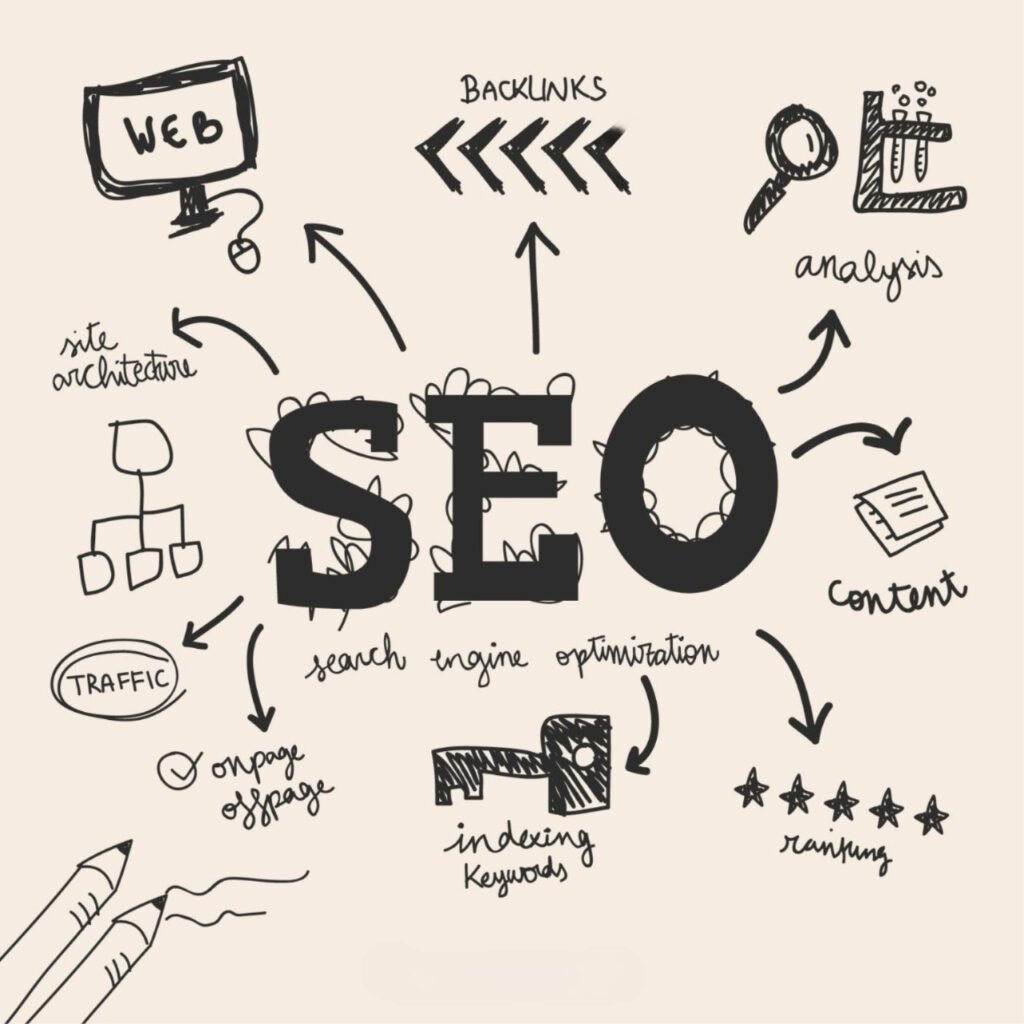
Getting organic traffic on your website is the foundation of sustainable online growth. You’re not just chasing numbers—you’re building a reliable stream of visitors who find your content through search engines without you paying for each click.
The difference between organic and paid traffic comes down to longevity and cost. Paid advertising stops the moment your budget runs out. You might see immediate results, but those visitors disappear when the money does. Organic traffic, on the other hand, compounds over time. A single well-optimized article can bring visitors to your site for months or even years after you publish it.
Search engine optimization (SEO) is how you unlock this free traffic for your website. It’s a long-term strategy that requires patience and consistent effort, but the returns are worth it. When you understand how to get organic traffic to your website, you’re investing in an asset that grows in value.
I’ve spent years testing different methods to get traffic for my website, and I can tell you that the strategies in this guide work. You’ll learn seven proven ways to increase your organic website traffic, from targeting specific search features to future-proofing your content against AI competition. These aren’t theoretical concepts—they’re practical techniques you can implement today to see real results tomorrow.
For more insights on boosting your online presence and driving organic traffic, consider exploring resources like those available at Blogger Hub.
1. Target People Also Ask (PAA) Sections
When you search for anything on Google, you’ve probably noticed those expandable question boxes that appear below the top results. That’s the People Also Ask feature, and it’s one of the most underutilized opportunities to drive organic traffic to your website.
These PAA boxes display related questions that other users have searched for, and when someone clicks on one, it expands to show a brief answer pulled from a webpage. Here’s what makes this feature valuable: Google often displays multiple PAA questions for a single search query, giving you several chances to appear in front of your target audience.
Why PAA Optimization Matters
When you optimize your content to answer these common questions, you’re positioning yourself to capture traffic from users actively seeking specific information. Each PAA appearance acts as an additional entry point to your website, separate from the traditional organic listings. I’ve seen websites increase their visibility by 30-40% simply by targeting these question-based queries.
How to Identify and Target PAA Queries
Start by searching your main keywords and documenting the questions that appear in the PAA boxes. You can use tools like AlsoAsked.com or AnswerThePublic to discover related questions at scale. Once you’ve compiled a list, incorporate these questions as H2 or H3 headings in your content.
The key is providing concise, direct answers immediately after the question heading—typically 40-60 words. You want to give Google exactly what it needs to pull your answer into the PAA box. Then, expand on the answer with additional context, examples, and related information to satisfy readers who click through to your page.
2. Analyze Keyword Gaps to Capture Missed Opportunities
Keyword gap analysis identifies the search terms your competitors rank for that you don’t. This strategic approach reveals untapped opportunities to get organic traffic to your website by targeting queries where your competitors already prove there’s audience demand.
When you analyze keyword gaps, you’re essentially conducting competitive intelligence. Your competitors have already done the hard work of validating which keywords drive traffic in your niche. You can leverage this insight to create content that captures a share of that traffic.
Tools for Identifying Keyword Gaps
Ahrefs offers a dedicated Content Gap tool that compares your domain against up to 10 competitors simultaneously. You enter your website URL and your competitors’ URLs, and the tool displays keywords they rank for that you don’t. You can filter results by search volume, keyword difficulty, and position to prioritize the most valuable opportunities.
SE Ranking provides similar functionality through its Competitive Research module. The platform shows you which keywords drive traffic to competitor sites, along with estimated traffic values and ranking difficulty scores. You can export these lists and organize them by topic clusters for content planning.
Creating Content Around Gap Keywords
Once you’ve identified promising keywords, create comprehensive content that addresses the search intent behind those terms. Study the top-ranking competitor pages to understand what format works—whether it’s how-to guides, comparison posts, or listicles. Then develop content that matches or exceeds the quality and depth of existing rankings.
You should prioritize keywords where you already have some topical authority. If you’ve written about related subjects, you’ll have an easier time ranking for adjacent keywords within the same topic cluster.
3. Refresh Outdated Content Regularly for Optimal Performance
Your existing content represents a goldmine of opportunity that many website owners overlook. Google’s Query Deserves Freshness (QDF) algorithm actively rewards websites that maintain up-to-date, accurate information. When you refresh outdated content, you signal to search engines that your site remains a reliable source of current information—a critical factor in how to get free traffic for your website.
Conducting a Content Audit
Start by identifying which posts need attention. Use Google Analytics to find pages that once performed well but have experienced declining traffic. Look for content published more than 12-18 months ago, especially in fast-changing industries like technology, marketing, or finance.
Key Elements to Update
When refreshing old posts, you should focus on these specific areas:
- Statistics and data: Replace outdated numbers with current research
- Screenshots and images: Update visual elements to reflect current interfaces or designs
- Internal links: Add connections to newer, relevant content on your site
- Headings structure: Improve H2 and H3 tags for better readability and SEO
- Keyword optimization: Incorporate variations like “how to get traffic to my website for free” naturally throughout the text
- Meta descriptions: Rewrite to include current year and updated value propositions
The Compounding Benefits
Refreshed content often experiences immediate ranking improvements. I’ve seen posts jump from page three to page one within weeks of updating. This strategy delivers sustained traffic growth because you’re building on existing domain authority rather than starting from scratch. Your updated posts maintain their backlink profile while offering fresh value to readers, creating a powerful combination that search engines reward with improved visibility.
4. Focus on Quick-Win, Low-Competition Keywords That Can Drive Traffic Fast
When you’re learning how to drive organic traffic to your website, targeting low competition keywords becomes your secret weapon. These are search terms with decent monthly searches—typically between 100 and 1,000—but fewer websites competing for those rankings.
Utilizing tools like Google Keyword Planner and Ubersuggest can help you identify these opportunities by showing both search volume and competition levels. You’ll want to filter for keywords marked as “low” or “easy” difficulty, which signals your content has a realistic chance of ranking on the first page within weeks rather than months.
New or smaller websites benefit tremendously from this approach. You can’t realistically compete with established sites for high-volume terms like “digital marketing” right away. But you can rank for “digital marketing strategies for local bakeries” because the competition pool shrinks dramatically with each additional word.
Long-tail keyword variations naturally fall into this category. These three-to-five-word phrases match specific user intent, making them valuable despite lower search volumes. Someone searching “how to get organic traffic on blogger” has a precise need you can address with targeted content.
Niche-specific forums, Reddit threads, and Quora questions reveal the exact language your audience uses. You’ll discover keyword opportunities that tools might miss because they’re conversational rather than formal search terms.
By focusing exclusively on these quick-win keywords for three months, I’ve seen websites gain their first 1,000 monthly visitors. The strategy works because you’re not wasting time creating content that will languish on page five of search results. You’re building momentum with achievable rankings that compound over time, establishing topical authority that eventually helps you compete for more competitive terms. Incorporating keyword research SEO into your strategy can further enhance your chances of success in finding these low-competition keywords.
5. Optimize Titles and Meta Description Tags for Better Click-Through Rates (CTR) from Search Results Pages
Your content might rank on page one of Google, but if nobody clicks through to your site, that ranking means nothing. Titles and meta descriptions serve as your first impression in search results—they’re the digital storefront that convinces users to choose your link over the nine other options staring them in the face.
When you update titles and description tags, you’re directly influencing whether searchers perceive your content as the best answer to their query. A well-crafted title should include your target keyword naturally while creating curiosity or promising value. Meta descriptions need to expand on that promise with specific benefits or information that makes clicking irresistible.
Here’s what makes metadata compelling:
- Front-load your primary keyword in titles so users immediately see relevance
- Keep titles under 60 characters and descriptions under 155 characters to avoid truncation
- Include numbers, power words like “proven” or “essential,” and emotional triggers
- Write in active voice that speaks directly to the searcher’s intent
- Add your brand name at the end of titles for recognition and trust
Google Search Console becomes your best friend for identifying optimization opportunities. Navigate to the Performance report and sort pages by impressions. You’ll discover content that appears frequently in search results but suffers from low click-through rates—these are your priority targets for metadata improvements.
I’ve personally seen pages jump from 2% CTR to 8% CTR simply by rewriting vague titles into specific, benefit-driven headlines. The traffic increase came without changing a single word of the actual content or building new backlinks. You’re essentially getting more value from rankings you already earned.
6. Stay Updated on Google Algorithm Changes to Maintain Organic Traffic Levels Over Time
Google releases hundreds of algorithm updates annually, and staying informed about these changes is essential if you want to get organic traffic on website consistently. Major updates can dramatically shift your rankings overnight, affecting your ability to get free organic traffic without warning.
The Google Helpful Content update fundamentally changed how Google evaluates content quality. This update prioritizes content written primarily for humans rather than search engines. If you’ve been creating content solely to rank for keywords, this update may have impacted your traffic. Google now rewards websites that demonstrate genuine expertise and provide value beyond basic keyword optimization.
Core Web Vitals introduced measurable user experience metrics into ranking factors. These metrics include:
- Largest Contentful Paint (LCP) – loading performance
- First Input Delay (FID) – interactivity
- Cumulative Layout Shift (CLS) – visual stability
Sites that fail to meet these benchmarks often see traffic declines, regardless of content quality. You can’t simply buy organic website traffic or buy cheap organic traffic to compensate for poor technical performance.
Adapting your strategy requires monitoring trusted SEO resources. Moz, SEMrush, and Search Engine Journal provide detailed analysis of each update’s impact. I regularly check these sources after major announcements to understand what adjustments my content needs.
Google’s Product Reviews update specifically targets review content, requiring hands-on testing and detailed analysis rather than generic summaries. The Spam updates target manipulative link-building practices and auto-generated content.
When you stay informed about Google algorithm updates, you protect your existing traffic while positioning yourself to get organic traffic to website through compliant, future-proof strategies. Ignoring these updates means risking sudden traffic drops that no amount of effort to buy organic traffic to website can replace.
7. Future-Proof Your Content Against AI-generated Search Results With Unique Value Propositions That Stand Out From The Crowd!
Google’s integration of AI-generated answers directly into search results has fundamentally changed how you need to approach content creation. When users can get instant AI summaries at the top of search pages, your content must offer something those automated responses cannot provide.
To future proof content against AI, you need to embed elements that machine learning simply cannot replicate:
- Personal experiences and real-world testing: Share your hands-on results with specific tools, products, or strategies. AI can’t tell readers what happened when you personally tested a marketing campaign for six months.
- Original case studies with actual data: Document your client work, business experiments, or project outcomes with screenshots, metrics, and detailed analysis. These proprietary insights create irreplaceable value.
- Expert interviews and unique perspectives: Feature conversations with industry professionals who share exclusive insights. AI aggregates existing information but cannot generate new expert opinions.
- Nuanced analysis and critical thinking: Dive deep into why certain strategies work in specific contexts. Explain the reasoning behind your recommendations rather than just listing steps.
The depth of your content matters more than ever. A 500-word generic guide on “how to use email marketing” will lose to AI summaries every time. A 2,500-word analysis comparing three email platforms you’ve personally used, complete with conversion data from your campaigns and specific workflow recommendations for different business types, cannot be replicated by AI.
You’re creating content that demonstrates genuine expertise and provides value that exists nowhere else online. This approach ensures your website remains a destination rather than a casualty of AI-powered search.
However, it’s important to acknowledge the role of AI in content creation. Leveraging an AI content writer can streamline the writing process while maintaining quality. Additionally, incorporating AI plugins for WordPress can automate tasks, boost SEO, and personalize user experiences effortlessly.
Moreover, utilizing free AI tools for SEO optimization can significantly enhance keyword research and overall SEO performance. Embracing these technologies while ensuring your content remains unique and valuable is the key to thriving in this new digital landscape.
Conclusion
These 7 ways to get organic traffic on website are your guide to sustainable growth. You’ve learned strategies that range from targeting People Also Ask sections to future-proofing your content against AI-generated results. The real challenge starts now—implementing these tactics consistently.
You need to track your progress. Tools like Google Analytics or Matomo will show you which strategies work best for your specific audience. Check your organic traffic metrics weekly. Monitor which keywords bring visitors. Watch how your click-through rates improve after optimizing titles and meta descriptions. This data tells you where to double down your efforts.
The balance between quality content creation and technical SEO separates successful websites from struggling ones. You can’t ignore either side. Your content must answer real questions and provide genuine value that AI can’t replicate. At the same time, you need proper keyword targeting, fresh updates, and optimized metadata to help search engines understand and rank your pages.
Start with one strategy from this list. Master it. Then add another. You don’t need to implement everything overnight. The websites that drive organic traffic to your website most effectively are those that commit to steady, measured improvement. Your organic traffic won’t explode tomorrow, but six months from now, you’ll see the compound effect of these efforts paying off.
FAQs (Frequently Asked Questions)
What is the importance of organic traffic for sustainable website growth?
Organic traffic is crucial for sustainable website growth as it provides free, consistent visitors who find your content through search engines naturally. Unlike paid traffic, organic visitors often have higher engagement and trust, contributing to long-term success and reduced dependency on advertising budgets.
How can targeting Google’s People Also Ask (PAA) sections boost my website’s organic traffic?
Optimizing your content to answer common questions featured in Google’s People Also Ask sections increases your visibility by directly addressing user queries. By identifying relevant PAA questions and providing concise, informative answers, you can capture additional organic traffic from users seeking specific information related to your niche.
Why should I regularly refresh outdated content on my website?
Google’s Query Deserves Freshness algorithm favors updated content that remains accurate and relevant. Regularly auditing and refreshing old posts with new information, improved SEO elements like headings, images, and internal links helps maintain or improve rankings, enhances user experience, and sustains organic traffic growth over time.
What are quick-win, low-competition keywords and how do they help drive traffic fast?
Quick-win, low-competition keywords are search terms with modest search volume but less competition. Targeting these keywords allows new or smaller websites to rank faster in search results. Utilizing tools like Ubersuggest or Google Keyword Planner to find long-tail variations or niche-specific queries can help capture organic traffic quickly.
How do optimizing titles and meta description tags improve click-through rates (CTR) from search engine results?
Titles and meta descriptions play a vital role in enticing users to click your link over others in SERPs. Writing compelling, keyword-rich metadata aligned with user intent increases visibility and CTR. Analyzing Google Search Console data helps identify pages with low CTR despite high impressions so you can optimize their titles and descriptions effectively.
How can I future-proof my content against AI-generated search results?
With AI increasingly influencing search engine results pages (SERPs), creating unique value propositions is essential. Producing complex, original content that incorporates personal experiences, case studies, expert interviews, and practical insights makes your content stand out. Emphasizing depth and originality ensures your website maintains high rankings despite AI competition.

