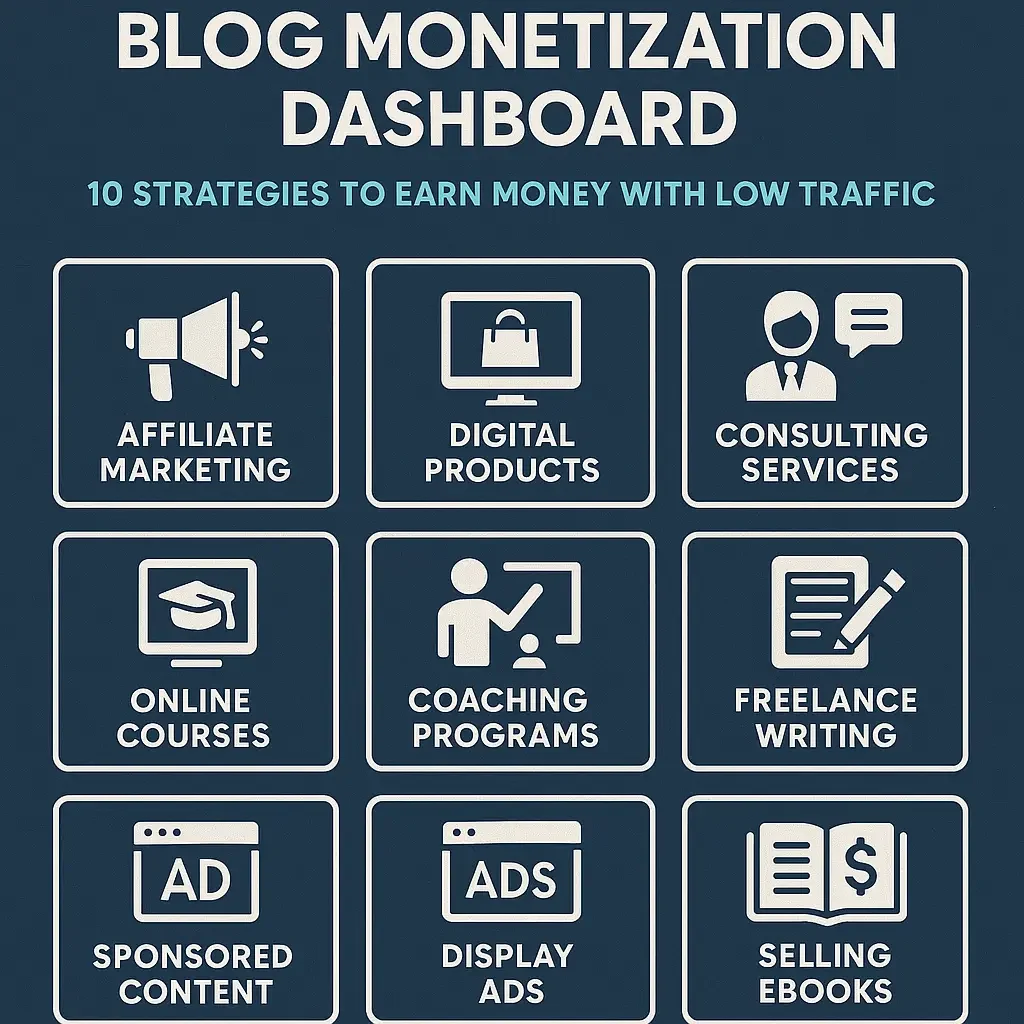
Blogging remains one of the most accessible paths to building a profitable online business in 2024. You don’t need a massive upfront investment or years of technical expertise to get started. What you do need is the right combination of niche selection and monetization strategy.
The reality is simple: not all blog niches are created equal when it comes to earning potential. Some niches naturally attract higher-paying advertisers, more lucrative affiliate programs, and audiences willing to invest in premium products or services. Choosing the wrong niche can mean months or even years of effort with minimal financial returns.
I’ve spent years analyzing what separates profitable blogs from those that struggle to generate income. The difference often comes down to understanding which types of blogs that make money consistently and why they succeed. You need to match your interests and expertise with proven monetization opportunities.
This guide breaks down the best types of blogs to make money in today’s digital landscape. You’ll discover 10 lucrative blog niches, each with specific monetization methods that work. Whether you’re passionate about food, finance, technology, or personal development, you’ll find actionable insights to turn your blogging efforts into a sustainable income stream.
In addition, leveraging advanced tools like an AI content writer can significantly enhance your blogging efficiency and content quality. These tools can help streamline your writing process, allowing you to focus more on strategy and less on content creation.
Let’s explore these profitable paths and help you choose the right direction for your blogging journey with the right resources from platforms like BloggerHub.
1. Food Blogs
Food blogging remains one of the most visually appealing and engaging niches you can enter in 2024. People constantly search for new recipes, cooking techniques, and kitchen inspiration—making this space incredibly active with dedicated readers who return frequently for fresh content.
The beauty of food blogs lies in their versatility. You can focus on specific dietary preferences like vegan or keto, explore international cuisines, or share budget-friendly meal prep ideas. Each angle attracts a distinct audience hungry for your expertise.
How Food Blogs Make Money:
- Display Advertising: Once you build consistent traffic, ad networks like Mediavine or AdThrive can generate substantial passive income from your recipe posts
- Sponsored Content: Brands actively seek food bloggers to feature their products in recipes or cooking tutorials
- Cooking Affiliate Marketing: Kitchen tools, appliances, and specialty ingredients offer excellent commission opportunities through Amazon Associates or niche-specific programs
- Digital Cookbooks: Package your best recipes into downloadable eBooks that provide value while generating direct sales
- Online Cooking Courses: Share your culinary skills through video tutorials or structured lesson plans
I’ve seen food bloggers transform their passion into six-figure businesses by combining multiple revenue streams. The key is creating high-quality recipe content with professional photography that makes readers want to try your dishes immediately. When you recommend a specific stand mixer or knife set you genuinely use, your audience trusts those recommendations—and that’s where cooking affiliate marketing becomes particularly profitable.
2. Finance Blogs
Money matters never go out of style. Finance blogging has exploded in relevance as more people seek control over their financial futures in an increasingly complex economic landscape. You’re looking at a niche where readers actively search for solutions to real problems—whether that’s paying off debt, investing wisely, or building passive income streams.
The beauty of finance blog affiliate marketing lies in the high commission rates. Financial products like credit cards, investment platforms, and banking services often pay $50 to $200+ per conversion. You can promote:
- Investment apps and robo-advisors
- Credit card offers with substantial sign-up bonuses
- Personal loan comparison tools
- Budgeting software subscriptions
- Online banking platforms
Sponsored finance posts represent another lucrative avenue. Financial institutions and fintech companies regularly pay bloggers $500 to $5,000+ per sponsored article, depending on your traffic and authority. These partnerships work particularly well when you’ve built trust with your audience through consistent, valuable content.
Premium subscriptions offer recurring revenue potential. You can create members-only investment analysis, exclusive budgeting templates, or advanced financial calculators. Some finance bloggers charge $10 to $100 monthly for premium content that delivers actionable insights beyond what’s freely available.
The key is establishing yourself as a credible voice. You need to back your advice with research, personal experience, or professional credentials. Readers trust finance bloggers who transparently share their own money journeys—the wins and the losses.
In addition to affiliate marketing and sponsored posts, exploring content monetization platforms can further enhance your blog’s revenue potential by providing additional avenues for income generation through various types of content offerings.
3. Beauty and Fashion Blogs
The beauty and fashion industry is always changing, with new trends coming out every season and products being released every week. This fast-paced environment gives bloggers many opportunities to create content about the latest makeup techniques, skincare routines, and style trends. Readers are actively looking for genuine reviews and styling tips before making purchase decisions, which makes beauty and fashion bloggers trusted advisors in a crowded market.
Beauty blog sponsorships are one of the most profitable ways to make money in this niche. Cosmetics brands often team up with bloggers to promote their products through dedicated posts, tutorials, and honest reviews. I’ve seen bloggers earn anywhere from $500 to $10,000+ per sponsored post, depending on their audience size and engagement rates.
Fashion affiliate links are another significant source of income. You can earn commissions by linking to clothing items, accessories, and beauty products through programs like:
- Amazon Associates for diverse product ranges
- RewardStyle/LTK for fashion-specific items
- Sephora’s affiliate program for cosmetics
- Individual brand partnerships with retailers like Nordstrom or ASOS
Launching personal merchandise takes your monetization to the next level. Successful beauty and fashion bloggers often create their own product lines—from makeup palettes to clothing collections—leveraging their established audience and personal brand. This approach requires more upfront investment but offers the highest profit margins and complete creative control over your offerings.
4. DIY Blogs
The do-it-yourself movement has transformed from a weekend hobby into a full-fledged lifestyle that resonates with millions of readers seeking creative fulfillment and practical solutions. You’ll find audiences hungry for step-by-step tutorials, home improvement hacks, and craft projects that help them save money while expressing their creativity. This niche thrives because people genuinely want to learn new skills and create something with their own hands.
DIY blog sponsored content represents one of your most lucrative revenue opportunities. Craft supply companies, tool manufacturers, and home improvement retailers actively seek partnerships with DIY bloggers who can showcase their products in authentic project tutorials. I’ve seen bloggers earn anywhere from $500 to $5,000 per sponsored post, depending on their traffic and engagement rates.
Selling plans DIY guides creates passive income that compounds over time. You can develop detailed project blueprints, woodworking plans, or craft templates that readers download instantly. Price these digital products between $5 and $50 based on complexity—a comprehensive furniture building plan commands higher prices than a simple craft template.
Ad placement through networks like Mediavine or AdThrive generates consistent revenue once you reach their traffic thresholds. DIY content naturally attracts engaged readers who spend significant time on your pages following tutorials, which increases your ad impressions and earnings. You can also create video content for YouTube, adding another revenue stream through pre-roll ads and sponsored segments within your DIY demonstrations.
5. Parenting Blogs
The parenting niche attracts millions of engaged readers searching for advice, support, and practical solutions to everyday challenges. Parents actively seek guidance on topics ranging from sleep training and nutrition to educational activities and behavioral issues. This creates an audience that’s not just large—it’s deeply invested in finding answers.
Targeted advertising works exceptionally well in this niche because you can connect with brands that align perfectly with your readers’ needs. Display ads through networks like Mediavine or Ezoic generate passive income as your traffic grows, with parenting content often commanding higher CPM rates due to the valuable demographic.
Parenting blog affiliate marketing offers substantial earning potential when you recommend products you’ve actually tested. Baby gear, educational toys, children’s books, and family subscription boxes convert well because parents trust authentic recommendations from fellow parents who’ve been in their shoes.
Sponsored parenting content provides another lucrative revenue stream. Family-oriented brands actively seek partnerships with parenting bloggers to reach their target audience. You might collaborate with diaper companies, meal kit services designed for families, or children’s clothing brands. These partnerships often include both monetary compensation and free products.
Creating digital products specifically designed for parents—like printable meal planners, potty training guides, or age-specific activity bundles—allows you to monetize your expertise directly. Parents willingly invest in resources that simplify their lives and support their children’s development, making this a scalable income source that doesn’t depend on traffic volume alone.
Additionally, there are numerous passive income ideas for stay-at-home parents which can be explored within the realm of parenting blogs.
6. Health and Wellness Blogs
The health and wellness industry continues to grow as people prioritize their physical and mental well-being. You can tap into this growing market by creating content that helps readers make informed decisions about their health, fitness routines, nutrition choices, and overall lifestyle improvements.
Monetization Strategies for Health and Wellness Blogs
Here are some effective monetization strategies for health and wellness blogs:
- Health coaching monetization: This offers you a direct path to substantial income. You can offer one-on-one coaching sessions, group programs, or create comprehensive online courses that guide clients through specific health transformations. Some bloggers charge anywhere from $500 to $5,000 for personalized coaching packages, depending on their expertise and program duration. In fact, online health coaches have various revenue streams, which can significantly boost their income.
- Wellness affiliate marketing: This pairs naturally with coaching services. You can recommend fitness programs and workout apps that align with your training philosophy, quality supplements and protein powders you personally use, meal planning services and healthy food delivery options, fitness equipment and wearable technology, as well as meditation apps and wellness journals. The key is authenticity—you should only promote products you’ve tested and genuinely believe in. Your audience trusts your recommendations, and that trust translates into higher conversion rates. Many wellness bloggers earn 30-40% of their income through affiliate commissions alone.
- Sponsored content from health brands: This provides another revenue stream. Companies actively seek wellness influencers to review their products, create recipe content, or share workout routines featuring their equipment.
By implementing these monetization strategies, you can turn your health and wellness blog into a profitable venture while helping others improve their well-being.
7. Technology Blogs
The tech industry moves at lightning speed, and readers constantly seek reliable sources to help them navigate new gadgets, software updates, and emerging trends. You can position yourself as a trusted voice by reviewing the latest smartphones, comparing software solutions, or explaining complex tech concepts in simple terms.
Tech blog ads revenue represents a significant income stream for technology bloggers. Ad networks pay premium rates for tech content because advertisers know they’re reaching an audience with purchasing power and interest in high-ticket items. I’ve seen tech bloggers earn substantial monthly income through display advertising alone, especially when their traffic reaches the 50,000+ monthly visitor mark.
Technology affiliate programs offer even more lucrative opportunities. Companies like Amazon, Best Buy, and specialized tech retailers provide generous commission rates on electronics and software sales. When you write an in-depth review of a laptop or smartphone and include your affiliate link, you earn a percentage of each sale generated through your recommendation.
You can also partner directly with software companies through their affiliate programs. Many SaaS (Software as a Service) platforms offer recurring commissions, meaning you earn money every month a customer remains subscribed. This creates passive income that compounds over time as you build your audience and content library.
8. Travel Blogs
Travel blogs are popular among those who dream of exploring far-off places, finding hidden treasures, and immersing themselves in different cultures. By documenting your adventures and providing practical travel tips to your audience, you can turn your love for travel into a profitable business.
Monetization Opportunities for Travel Blogs
One of the greatest advantages of travel blogging is the wide range of ways you can make money from it.
1. Affiliate Marketing
Affiliate marketing is a key revenue source for many successful travel blogs. This involves promoting booking platforms such as Booking.com, Expedia, or Airbnb and earning commissions for every sale made through your referral links. In addition to these mainstream platforms, you can also explore partnerships with travel insurance companies and luggage brands that offer attractive affiliate programs.
2. Sponsored Content
Another lucrative avenue for generating income is through sponsored travel content. Tourism boards, hotels, and travel companies actively seek out bloggers to showcase their destinations and services. In exchange for honest reviews and promotional content, you may receive complimentary accommodations, flights, or experiences. As your blog gains popularity, these partnerships have the potential to evolve into paid collaborations.
3. Freelance Writing
Freelance writing assignments for travel publications can provide a steady stream of income between your trips. Travel magazines, websites, and newspapers are always on the lookout for fresh content from experienced travelers who can craft engaging destination guides and captivating travel stories. While building your personal brand through your blog, you can pitch your expertise to various publications.
By leveraging these monetization opportunities—affiliate marketing, sponsored content, and freelance writing—you can create multiple streams of income as a travel blogger.
9. Pet Blogs
Pet owners treat their furry, feathered, or scaly companions like family members, and they’re constantly searching for information to keep their pets happy and healthy. This emotional connection creates an evergreen niche with dedicated readers who actively seek advice, product recommendations, and entertaining content about their beloved animals.
Pet blog advertising revenue flows naturally when you build an engaged audience. Display ads perform exceptionally well in this niche because pet owners frequently browse multiple articles looking for solutions to specific problems—from training tips to health concerns. Networks like Mediavine and Ezoic can generate substantial income once you reach their traffic thresholds.
It’s worth noting that starting a pet care blog can be a rewarding venture both emotionally and financially. Pet product affiliates offer another lucrative revenue stream. You can promote:
- Premium pet food brands through Amazon Associates or specialized pet supply affiliate programs
- Pet insurance companies that pay generous commissions per sign-up
- Training courses and behavioral modification programs
- Pet cameras, automatic feeders, and smart pet technology
- Grooming tools and accessories
Collaborating with pet supply companies opens doors to sponsored content opportunities. Brands regularly partner with pet bloggers to review new products, create how-to guides featuring their items, or share authentic stories about using their products. These partnerships often include free products plus monetary compensation, and they can evolve into long-term ambassador relationships that provide consistent income.
The key to success in pet blogging lies in choosing a specific angle—whether you focus on a particular animal type, address specific pet problems, or cater to a demographic like senior pet owners. For instance, podcasting can be an effective way to engage with your audience while exploring various aspects of pet care as discussed in this podcast episode.
10. Personal Development Blogs
The self-improvement industry continues to expand as more people seek ways to enhance their lives, careers, and relationships. Personal development blogs tap into this growing demand by offering actionable advice, motivational content, and transformative strategies that resonate with readers looking to level up.
You can build a thriving income stream through personal development digital products sales. Creating and selling online courses allows you to package your expertise into structured learning experiences. Whether you’re teaching productivity hacks, confidence-building techniques, or goal-setting frameworks, digital courses provide scalable income that doesn’t require constant content creation.
Books and eBooks represent another powerful revenue source in this niche. You can self-publish on platforms like Amazon Kindle Direct Publishing, giving you complete control over pricing and distribution. Many successful personal development bloggers use their blog as a launchpad for their books, building an audience first and then converting readers into buyers.
The beauty of this niche lies in its versatility. You might focus on:
- Career advancement and professional skills
- Mindfulness and mental wellness
- Time management and productivity
- Building better habits and routines
- Emotional intelligence and relationships
Speaking engagements and coaching sessions complement your digital products, creating multiple income streams. Your blog serves as your portfolio, demonstrating your knowledge and attracting clients willing to pay premium rates for one-on-one guidance. The personal development space rewards authenticity—readers connect with bloggers who share genuine experiences and proven methodologies rather than empty motivational quotes.
Additional Profitable Blogging Niches to Consider
The most profitable types of blogs extend beyond the ten we’ve covered. If you’re still exploring other profitable blog niches 2024 has to offer, consider these options:
- Lifestyle influencer marketing blogs blend multiple interests—from home decor to daily routines—giving you flexibility to partner with diverse brands. You can monetize through sponsored content, brand ambassadorships, and affiliate partnerships across various product categories.
- Gaming blogs tap into a massive audience hungry for reviews, walkthroughs, and industry news. You’ll earn through banner ads, streaming revenue on platforms like Twitch, and affiliate commissions from gaming equipment and software.
- Sports blogs covering game analysis, player statistics, and team news attract dedicated fans. Monetization comes from sports betting affiliate programs, merchandise sales, and advertising from sports brands.
- Career and employment advice blogs help professionals navigate job searches and workplace challenges. You can offer resume review services, sell career coaching packages, and promote job board platforms through affiliate links.
Take time to research audience size, competition levels, and monetization potential before committing to your niche.
Choosing The Right Blog Type To Make Money From Your Passion
You’ve seen the possibilities across different blog types, but selecting the right one requires more than just picking what sounds interesting. The sweet spot lies where your genuine passion intersects with real market demand.
Start by asking yourself these critical questions:
- What topics can you write about for the next five years without losing interest?
- Which subjects do people actively search for solutions and information about?
- Where does your unique experience or perspective add value that others can’t easily replicate?
When evaluating competition level in your chosen niche, don’t let a crowded field discourage you. High competition often signals strong market demand and monetization potential. I’ve seen countless bloggers succeed in saturated niches by finding their unique angle. You might focus on a specific sub-niche within finance, like sustainable investing, or target an underserved demographic within the parenting space.
Keyword research forms the backbone of SEO optimization for bloggers in 2024. You need to identify what your target audience actually types into search engines. Tools like Ahrefs, SEMrush, or even free options like Google Keyword Planner reveal search volumes and competition levels. Look for keywords with decent monthly searches (1,000+) but manageable competition scores. Long-tail keywords—those three to five-word phrases—often convert better because they capture specific user intent.
Your editorial calendar becomes your roadmap to consistent publishing. Successful bloggers I’ve studied publish on predictable schedules, whether that’s twice weekly or monthly. The frequency matters less than the consistency. Map out topics three months ahead, accounting for seasonal trends and evergreen content that remains relevant year-round.
Incorporating AI tools into your blogging strategy, such as those available in 10 Must-Have AI Plugins For WordPress In 2025, can further enhance your SEO optimization and user engagement efforts.
Real-world examples demonstrate diverse paths to profitability:
- Pinch of Yum (food blog) generates six-figure monthly income through a combination of display ads, sponsored content, and their own digital products
- The Points Guy (travel/finance hybrid) built an empire on credit card affiliate commissions and eventually sold for millions
- Minimalist Baker (food blog with a specific angle) monetizes through cookbooks, ads, and selective brand partnerships
These bloggers didn’t stumble into success. They identified gaps in their markets, consistently delivered value, and diversified their income streams beyond a single monetization strategy. Leveraging free AI tools for SEO optimization can also significantly improve your keyword research and content optimization efforts, setting you on the path to similar success.
Conclusion
You now have a complete roadmap of the types of blogs that make the most money in 2024. The path from choosing your niche to generating your first dollar won’t always be smooth, but that’s exactly what makes this journey worthwhile.
I’ve shown you 10 proven blog types—from food and finance to personal development and pet blogs—each with distinct monetization strategies that work. The question isn’t what type of blogs make the most money, but rather which one aligns with your passion and expertise.
Start today. Pick one niche from this guide, create your first piece of content, and commit to publishing consistently. Your success won’t come from finding the perfect niche; it’ll come from your willingness to adapt when strategies don’t work and persevere when growth feels slow.
The bloggers making six figures right now? They started exactly where you are. They faced the same doubts, made mistakes, adjusted their approach, and kept going. This guide gives you the foundation—you bring the dedication that transforms knowledge into income.
FAQs (Frequently Asked Questions)
What are some of the most profitable types of blogs in 2024?
In 2024, some of the most profitable types of blogs include food blogs, finance blogs, beauty and fashion blogs, DIY blogs, parenting blogs, health and wellness blogs, technology blogs, travel blogs, pet blogs, and personal development blogs. Each niche offers unique monetization opportunities such as affiliate marketing, sponsored content, ads revenue, and digital product sales.
How can I monetize a food blog effectively?
Food blogs can be monetized through various methods including placing ads on your site, securing sponsored posts from brands related to cooking or kitchen tools, and participating in affiliate marketing programs promoting cookbooks or kitchen gadgets. Combining these strategies helps maximize income potential.
Why is choosing the right niche important for blogging success?
Choosing the right niche is crucial because it aligns your personal interests with market demand, ensuring sustained passion and audience engagement. Additionally, selecting a profitable niche with manageable competition allows for better SEO optimization and effective monetization strategies that lead to blogging success.
What monetization methods are common in finance blogging?
Finance bloggers commonly monetize their content through affiliate marketing by promoting financial products like credit cards or investment platforms. They also earn income via sponsored posts from financial institutions and by offering premium subscription services that provide exclusive financial advice or tools.
How can bloggers maintain consistent growth and profitability?
Bloggers can maintain consistent growth by conducting keyword research for SEO success, maintaining an editorial calendar for regular content publishing, diversifying income streams such as combining ads with affiliate marketing or digital product sales, and adapting their strategies based on audience feedback and market trends.
Are there other profitable blogging niches worth exploring besides the top 10?
Yes, other potentially lucrative blogging niches include lifestyle influencer marketing blogs and gaming blogs that generate revenue through ads and streaming. Exploring various niches before making a final decision helps identify untapped markets with good profitability potential.